




Search for 'Ozempic'
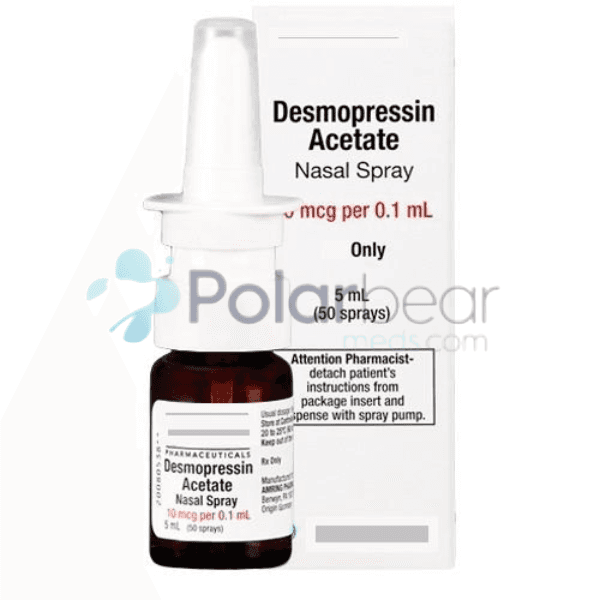

Desmopressin Acetate Nasal Spray is a prescription vasopressin analog used as antidiuretic replacement therapy for central diabetes insipidus in adults and children 4 years of age and older. Central diabetes insipidus occurs when the body does not produce enough antidiuretic hormone (ADH), leading to excessive urination and intense thirst.
Below is a quick overview of important facts for patients and caregivers:
| Product Name (Generic) | Desmopressin Acetate Nasal Spray |
|---|---|
| Strengths | 10 mcg |
| Drug Class | Vasopressin analog (Antidiuretic hormone) |
| Primary Use | Management of central diabetes insipidus |
| Dosage Form | Intranasal spray |
| Route of Administration | Nasal use only |
| Prescription Required | Yes |
| Storage | Store at 25°C (77°F); excursions permitted between 59°F-86°F (15°C-30°C). Keep the bottle upright. |
← Swipe to see more →

This nasal spray is indicated as antidiuretic replacement therapy for the management of central diabetes insipidus in adults and pediatric patients 4 years of age and older. Desmopressin Acetate Nasal Spray is not indicated for:

Desmopressin Acetate Nasal Spray 10 mcg works by:
It acts as a replacement for antidiuretic hormone (ADH) in patients with central diabetes insipidus. Compared to natural vasopressin, it has reduced vasopressor activity and minimal effects on smooth muscle at clinically recommended doses.
Always follow your healthcare provider’s instructions. General guidelines include:
Important Information:

The dosage of Desmopressin Acetate Nasal Spray must be individualized and closely monitored by a healthcare provider.
| Patient Group | Recommended Dose | Maximum Dose | Administration Notes |
|---|---|---|---|
| Adults | 10 mcg once daily into one nostril | Up to 40 mcg daily | May be given as a single daily dose or divided into 2-3 doses. Adjust to maintain an appropriate urine output rhythm. |
| Pediatric Patients (4 years and older) | 10 mcg once daily into one nostril | Up to 30 mcg daily | May be given once daily or divided into two doses (e.g., 20 mcg in the morning and 10 mcg in the evening). Adjust based on response. |
← Swipe to see more →
Important dosage considerations:
Signs of desmopressin acetate overdose may include:
Overdose may increase the risk of water intoxication and hyponatremia. If an overdose is suspected, seek immediate emergency medical help or contact a poison control center for guidance.

This nasal spray may cause mild to serious side effects. While many people tolerate the medication, some reactions can be serious and require medical attention. Commonly reported Desmopressin Acetate Nasal Spray side effects are listed below:
These effects are usually mild but should be reported if persistent or bothersome.
Hyponatremia (low sodium levels):
Excess fluid intake during treatment may lead to water intoxication and dangerously low sodium levels. Symptoms may include:
Children and older adults are at higher risk and require careful fluid restriction.
Severe allergic reactions (rare):
Nasal changes with long-term use:
Seek medical attention immediately if serious symptoms occur.

This medication can cause serious complications if not used as directed. The most significant concern during treatment is low sodium levels, especially if fluid intake is not properly limited. Careful monitoring and adherence to dosing and fluid guidance are essential.
The primary warning associated with Desmopressin Acetate Nasal Spray is the risk of hyponatremia (low sodium levels), which may occur if fluid intake is not properly restricted during treatment.
Hyponatremia and water intoxication:
Certain patients require closer monitoring during treatment due to an increased risk of complications, particularly hyponatremia and fluid imbalance. Use caution in:
Desmopressin Acetate Nasal Spray is contraindicated in patients with moderate to severe renal impairment (creatinine clearance below 50 mL/min). Avoid use in patients with nasal conditions that may interfere with proper absorption, such as:
Pregnancy:
Available published data and long-term clinical experience have not identified a drug-associated risk of miscarriage, adverse maternal outcomes, major congenital disabilities, or fetal harm. Animal studies did not show evidence of harm at clinically relevant exposures. Use during pregnancy should be based on clinical need and under the supervision of a healthcare provider.
Breastfeeding:
Desmopressin is poorly transferred into breast milk and is not expected to result in clinically meaningful exposure to the nursing infant following intranasal use. The benefits of breastfeeding for both development and health should be considered along with the mother’s clinical needs for treatment.
Desmopressin Acetate Nasal Spray may interact with medications that increase the risk of hyponatremia or fluid imbalance. Use caution with:
Concomitant use may require more frequent monitoring of serum sodium. Use caution in patients with cardiovascular disease, as fluid retention may affect blood pressure. Use with other vasoconstrictors may require dose adjustment under medical supervision.

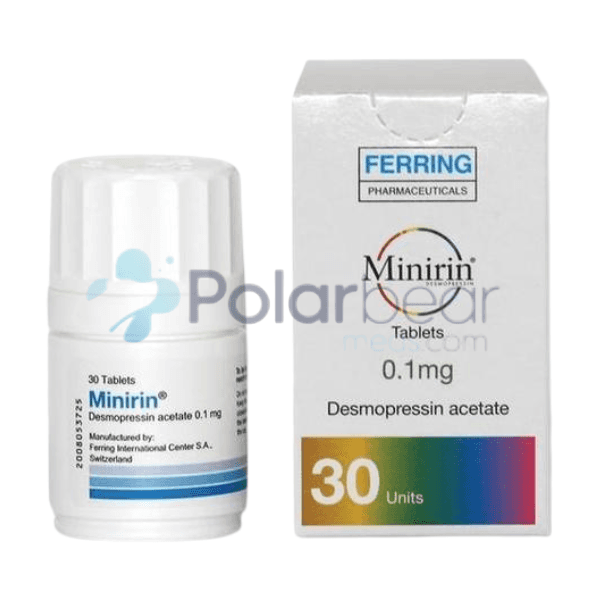
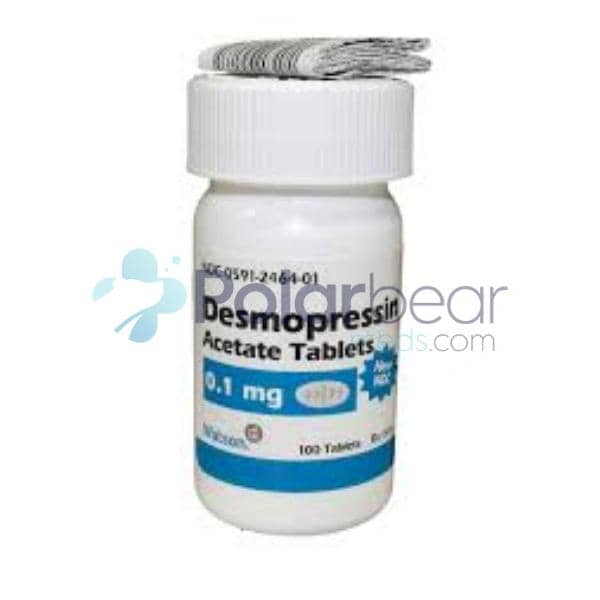
Alternative formulations of desmopressin may be considered when the intranasal route is not appropriate or when doses less than 10 mcg are required.
| Brand Name | Drug Class | |
|---|---|---|
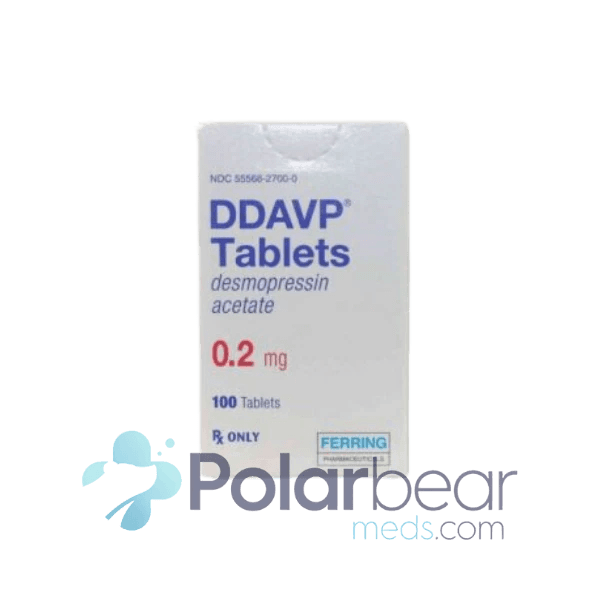
| DDAVP Tablets | Desmopressin acetate | Vasopressin analog (antidiuretic hormone) |
| DDAVP Injection | Desmopressin acetate | Vasopressin analog (antidiuretic hormone) |
| *Nocdurna | Desmopressin acetate (sublingual) | Vasopressin analog (antidiuretic hormone) |
← Swipe to see more →
*Availability and indications may vary. Not all formulations are interchangeable. Selection should be determined by a healthcare provider.

Prescription treatments for central diabetes insipidus may be expensive at many U.S. retail pharmacies. Ordering Desmopressin Acetate Nasal Spray online from Polar Bear Meds helps reduce overall costs while maintaining safety, quality, and reliability.
All Desmopressin Acetate Nasal Spray orders require a valid prescription. Medications are dispensed by licensed pharmacies that comply with applicable pharmacy regulations and safety standards.

This content is for informational purposes only and does not replace expert medical guidance, diagnosis, or treatment. Desmopressin Acetate Nasal Spray is a prescription medication indicated for the management of central diabetes insipidus. Always consult an authorized healthcare professional before starting, stopping, or changing the dosage. Individual results, side effects, and dosing needs may vary.


Dr. Jackson Miller is a board-certified medicine physician & hospitalist. He is a healthcare professional with a strong background in patient care. With years of experience and a patient-first approach, he believes the foundation of good health is a patient who feels informed and empowered. He contributes to medical content review, drawing on his background in clinical practice and patient education. He focuses on presenting health information in a clear, accurate, and accessible way to help readers make informed decisions. His work emphasizes clarity, evidence-based guidance, and understandable explanations of medical topics.
Learn more about Desmopressin Acetate Nasal Spray and related topics



We offer competitive pricing on all our medications. We'll match if you find a lower price on an identical product at a verified Canadian online pharmacy!
Need help? Call our friendly support team at 1-888-779-2193 or fill out the Contact Form