



Search for 'Ozempic'
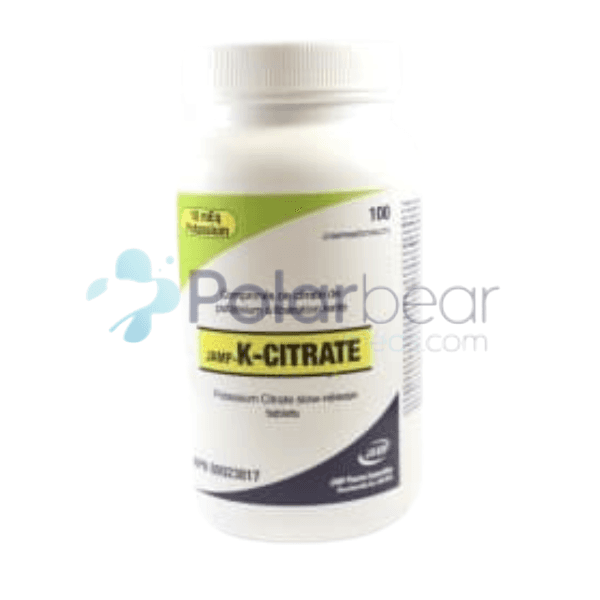

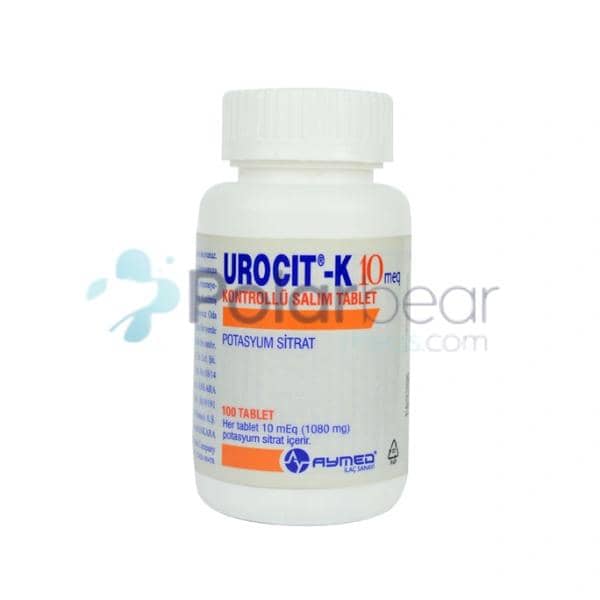
K-Citrate, also known as potassium citrate, is a prescription medicine used to prevent and manage certain types of kidney stones. It works by increasing urinary citrate levels and raising urine pH, making the urine less acidic and less likely to promote stone formation. It belongs to a group of medicines called urinary alkalinizing agents.
It is commonly prescribed for people who develop kidney stones due to low citrate levels in the urine (hypocitraturia) or excessive urine acidity. It is available as extended-release tablets and must be taken as prescribed by a healthcare professional.
Below is a quick overview of important K-Citrate facts for patients and caregivers:
| Product Name (Generic) | K-Citrate (Potassium Citrate) |
|---|---|
| Brand Name | Urocit-K |
| Drug Category | Urinary alkalinizing agent |
| FDA-Approved (Urocit-K extended-release tablets) | Approved for managing kidney stones |
| Available Forms | Extended-release tablets |
| Strengths Available | 5 mEq, 10 mEq, and 15 mEq |
| Administration | Oral |
| Uses | Kidney stone prevention |
| Storage | Store at controlled 68°F to 77°F (20°C to 25°C), and protect from direct sunlight and moisture |
← Swipe to see more →

Potassium citrate is prescribed to help prevent certain types of kidney stones by correcting low urinary citrate levels and reducing urine acidity. It is commonly used for the following conditions:

Potassium citrate works by altering the chemical balance of urine in two key ways:
These effects help create an environment in which kidney stones are less likely to form, and existing stones may be prevented from enlarging.

The potassium citrate dosage guide is primarily based on urinary citrate levels and urine pH. The primary treatment goals are to return urinary citrate levels to normal (more than 320 mg/day, ideally approaching 640 mg/day) and to maintain urinary pH within the target range of 6.0 to 7.0.
Treatment with potassium citrate extended-release tablets should be combined with:
The recommended average adult dosage is given below:
| Condition | Initial Daily Dose | How to Take | Notes |
|---|---|---|---|
| Extreme Hypocitraturia (Urinary citrate < 150 mg/day) | 60 mEq per day | 30 mEq twice daily or 20 mEq three times daily | Take with meals, within 30 minutes after meals, or with a bedtime snack |
| Mild to Common Hypocitraturia (Urinary citrate > 150 mg/day) | 30 mEq per day | 15 mEq twice daily or 10 mEq three times daily | Take with meals or within 30 minutes after meals, or with a bedtime snack |
← Swipe to see more →
Regular monitoring of kidney function and serum electrolytes is recommended; electrocardiograms (ECGs) may be required in high-risk patients due to the risk of hyperkalemia-induced cardiac arrhythmias during treatment. Additionally, doses greater than 100 mEq per day have not been studied and should be avoided.

An overdose of potassium citrate is uncommon when taken as prescribed. However, excessive consumption may result in hyperkalemia, a critical condition marked by unusually high potassium levels in the bloodstream. Hence, in case of potassium citrate overdose, it is recommended that you seek immediate professional medical attention or contact a poison control center.

Commonly reported potassium citrate side effects are given below in the table:
| Category | Side Effects |
|---|---|
| Common Side Effects | Nausea, vomiting, diarrhea, and abdominal discomfort |
| Mild Side Effects | Loose bowel movements and stomach irritation |
| Rare / Serious Side Effects | High potassium levels (hyperkalemia), irregular heartbeat, muscle weakness, severe stomach pain, black or bloody stools, and vomiting blood. Seek immediate medical attention if these occur |
← Swipe to see more →

Before starting potassium citrate, tell your doctor if you are:
Do not use potassium citrate if:
Discuss any active infection with your doctor before use, as changes in urine pH may impact infection dynamics.

K-Citrate Warning: Risk of Hyperkalemia and Gastrointestinal Injury
Potassium citrate can cause dangerously high potassium levels, especially in patients with conditions that impair excretion, including kidney disease and heart failure. It may also cause gastrointestinal injury. If there is severe abdominal pain, vomiting, or gastrointestinal bleeding, K-Citrate should be discontinued immediately.
Before taking potassium citrate, consult with a doctor if you have the following conditions:
It is recommended to monitor blood potassium levels and renal function regularly during long-term therapy.
Potassium citrate can interact with several medications. Some of the main potassium citrate interactions are listed below:

Potassium citrate has various known disease contraindications, including:

Long-term kidney stone prevention often requires ongoing treatment, which can become expensive at U.S. pharmacies. Choosing Polar Bear Meds to buy K-Citrate online from Canada can save time and reduce stress over pricing. New customers can use our coupon code “WELCOMEPB10” at checkout to receive an additional 10% off on the K-Citrate cost.
We ship medications from licensed Canadian pharmacies to customers across the United States. Additionally, you can expect delivery of potassium citrate within 3-5 business days via Xpress Post shipping. Always make sure that you have a valid prescription for K-Citrate before ordering.
This content is for informational purposes only and does not replace expert medical guidance, diagnosis, or treatment. K-Citrate is a prescription-only medicine for specific kidney-related conditions. Always consult an authorized healthcare professional before starting, stopping, or changing K-Citrate dosages. Individual results, side effects, and dosing needs may vary.



Dr. Jackson Miller is a board-certified medicine physician & hospitalist. He is a healthcare professional with a strong background in patient care. With years of experience and a patient-first approach, he believes the foundation of good health is a patient who feels informed and empowered. He contributes to medical content review, drawing on his background in clinical practice and patient education. He focuses on presenting health information in a clear, accurate, and accessible way to help readers make informed decisions. His work emphasizes clarity, evidence-based guidance, and understandable explanations of medical topics.
Learn more about K-Citrate and related topics



We offer competitive pricing on all our medications. We'll match if you find a lower price on an identical product at a verified Canadian online pharmacy!
Need help? Call our friendly support team at 1-888-779-2193 or fill out the Contact Form