


Search for 'Ozempic'
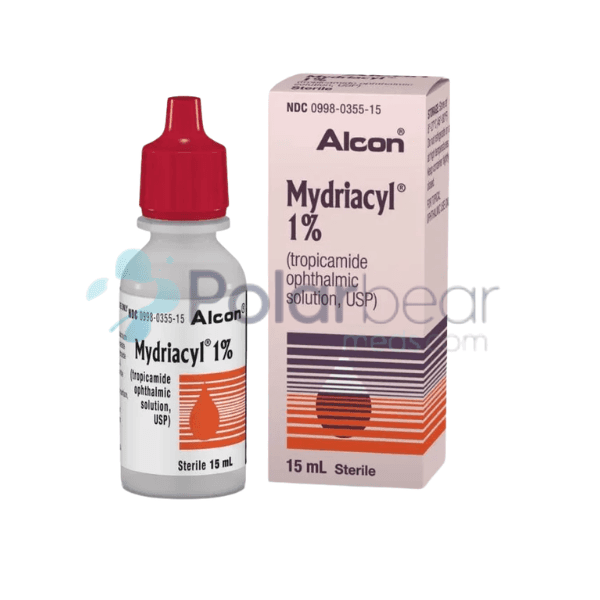

Mydriacyl 1% (tropicamide ophthalmic solution) is a prescription anticholinergic eye drop used to dilate the pupil (mydriasis) and temporarily paralyze accommodation (cycloplegia) for diagnostic eye procedures. It works by blocking the response of the iris sphincter and ciliary muscles to cholinergic stimulation. This medication is used under medical supervision during eye examinations and certain ophthalmic evaluations.
Below is a quick overview of important facts for patients and caregivers:
| Brand Name | Mydriacyl |
|---|---|
| Active Ingredient | Tropicamide |
| Strengths | 1% |
| Drug Class | Anticholinergic (Mydriatic) |
| Primary Use | To produce pupil dilation and cycloplegia for diagnostic procedures |
| Dosage Form | Sterile ophthalmic solution |
| Prescription Required | Yes |
| Storage | Store at 46°F to 80°F (8°C to 27°C). Do not refrigerate. |
← Swipe to see more →

Mydriacyl (tropicamide ophthalmic solution) is indicated for producing:
These effects are used for diagnostic eye procedures. Mydriacyl is commonly administered before:
By widening the pupil and temporarily relaxing the eye’s focusing mechanism, Mydriacyl allows eye care professionals to examine internal eye structures properly.

Mydriacyl contains tropicamide, an anticholinergic (muscarinic receptor antagonist) medication that acts on structures within the eye. It works by:
At higher concentrations (such as 1%), it also:
These effects allow eye care professionals to perform diagnostic examinations by widening the pupil and reducing the eye’s focusing ability. The timing and duration of dilation can vary between patients.
Always follow your healthcare provider’s instructions. General guidelines include:
If using other ophthalmic medications, wait at least 5-10 minutes between products. Patients should avoid driving or participating in other hazardous activities while pupils remain dilated.

Dosage and strength depend on the diagnostic procedure being performed.
For refraction:
For fundus examination:
Additional considerations:
Excessive use of Mydriacyl (tropicamide ophthalmic solution) may increase the risk of side effects, including prolonged pupil dilation, light sensitivity, blurred vision, or increased eye pressure. If a large amount is accidentally instilled into the eye or swallowed, systemic anticholinergic effects, such as dry mouth, flushing, a rapid heartbeat, or confusion, may occur, particularly in children. If an overdose is suspected, seek immediate emergency medical help or contact a poison control center.

Mydriacyl (tropicamide ophthalmic solution) may cause ocular and systemic side effects.
Serious reactions have been reported, particularly in children and with anticholinergic medications:
This is not a complete list of side effects. Contact your healthcare provider for medical advice about adverse reactions. You may report side effects to the FDA at 1-800-FDA-1088 or visit MedWatch.

While using this medication, the following warnings should be considered:

Before and during treatment, consider the following:
Pregnancy:
Animal reproduction studies have not been conducted. Mydriacyl should be used during pregnancy only if clearly needed.
Breastfeeding:
It is not known whether tropicamide is excreted in human milk. Caution should be exercised when administered to nursing women.

Mydriacyl (tropicamide) may interfere with the antihypertensive action of the following ophthalmic medications:
Patients should inform their healthcare provider about all prescription medications, over-the-counter drugs, and supplements before using Mydriacyl.

Other mydriatic or cycloplegic agents may be prescribed depending on the type of diagnostic procedure, the desired duration of dilation, and patient-specific risk factors.
| Brand Name | Active Ingredient | Drug Class |
|---|---|---|
| Cyclogyl | Cyclopentolate | Anticholinergic |
| Atropine | Atropine sulfate | Anticholinergic |
| Phenylephrine | Phenylephrine | Sympathomimetic |
| Isopto Homatropine | Homatropine hydrobromide | Anticholinergic |
← Swipe to see more →
Brand availability may vary by location and supply. The choice of agent depends on the duration of dilation required and the patient’s clinical profile.

Prescription ophthalmic medications may be costly at many U.S. retail pharmacies. Ordering Mydriacyl online from Polar Bear Meds helps reduce overall costs while maintaining safety, quality, and reliability.
All Mydriacyl orders require a valid prescription. Medications are dispensed by licensed pharmacies that comply with applicable pharmacy regulations and safety standards.

This content is for informational purposes only and does not replace expert medical guidance, diagnosis, or treatment. Mydriacyl (tropicamide) is a prescription ophthalmic medication used to produce pupil dilation (mydriasis) and cycloplegia for diagnostic procedures. Always consult an authorized healthcare professional before starting, stopping, or changing the dosage. Individual results, side effects, and dosing needs may vary.


Dr. Jackson Miller is a board-certified medicine physician & hospitalist. He is a healthcare professional with a strong background in patient care. With years of experience and a patient-first approach, he believes the foundation of good health is a patient who feels informed and empowered. He contributes to medical content review, drawing on his background in clinical practice and patient education. He focuses on presenting health information in a clear, accurate, and accessible way to help readers make informed decisions. His work emphasizes clarity, evidence-based guidance, and understandable explanations of medical topics.
Learn more about Mydriacyl and related topics



We offer competitive pricing on all our medications. We'll match if you find a lower price on an identical product at a verified Canadian online pharmacy!
Need help? Call our friendly support team at 1-888-779-2193 or fill out the Contact Form