



Search for 'Ozempic'
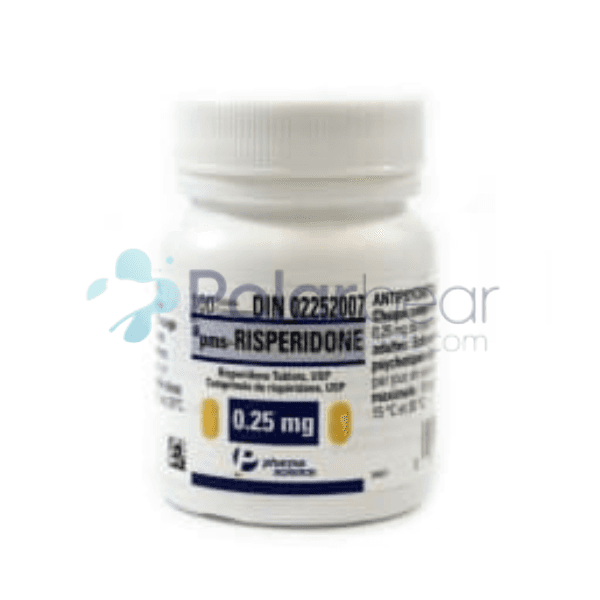

Risperidone is a prescription antipsychotic medication used to treat certain mental health and behavioral conditions. It belongs to a class of medicines called atypical antipsychotics or second-generation antipsychotics. It works by helping regulate certain brain chemicals involved in mood, thinking, and behavior.
Risperidone helps manage symptoms such as delusions, hallucinations, mood instability, irritability, aggression, and confusion. It is mainly prescribed for adolescents, children (for specific approved conditions), and adults.
| Product Name (Generic) | Risperidone |
|---|---|
| Drug Class | Atypical antipsychotic/second-generation antipsychotic |
| Available Forms | Oral tablets |
| Strengths Available | 0.25 mg, 0.5 mg, 1 mg, 2 mg, 3 mg, and 4 mg |
| Routes of Administration | Taken by mouth |
| Risperidone Uses | Treats: Schizophrenia Bipolar I disorder (acute manic or mixed episodes) Irritability associated with autistic disorder |
| Risperidone Storage | Store at room temperature, away from direct sunlight and moisture |
| Pregnancy and Breastfeeding | Consult a doctor |
| Legal Status | Rx only |
| FDA Black Box Warning | Risperidone tablets are not approved for the treatment of behavioural symptoms in elderly patients with dementia. Patients with dementia who are treated with atypical antipsychotics are at a higher risk of death, often due to heart-related events or infections, compared to those receiving a placebo. |
← Swipe to see more →

Risperidone is FDA-approved to treat:

Risperidone affects neurotransmitters, chemical messengers in the brain that influence mood, thoughts, and behavior.
As a result, the medication can reduce hallucinations and delusions, improve mood stability, and help manage irritability or aggression.


This boxed warning applies to all atypical antipsychotics.

If any of the following Risperidone side effects do not go away or become severe, seek immediate medical attention.
| Common Side Effects of Risperidone | Serious Side Effects of Risperidone (seek emergency help) |
|---|---|
| Increased saliva | Unusual facial, tongue, or body movements |
| Anxiety or restlessness | Seizures |
| Nausea or vomiting | Difficult swallowing, throat tightness |
| Increased appetite or weight gain | Rash or hives |
| Menstrual irregularities | Priapism (painful erection lasting several hours) |
| Decreased sexual ability | Swelling of the face, throat, or lips |
| Breast enlargement or discharge | Chills, fever, or cough |
| Dizziness | Other signs of infections |
| Trouble balancing oneself | Tardive dyskinesia and neuroleptic malignant syndrome |
← Swipe to see more →
Risperidone tablets are contraindicated in patients with:

Take Risperidone tablets the same way as prescribed by your doctor. Follow the administration instructions below:

If Risperidone overdose occurs, call the Poison Control Center at 1-800-222-1222 immediately. Seek emergency medical help if the patient experiences these symptoms:

If you are taking Risperidone, follow the regimen as directed. In case you miss taking Risperidone tablets, follow these instructions:

Keep the following Risperidone storage guide in mind:

Risperidone tablets may interact with several other medications. Please discuss with your healthcare professional before taking any other medicine along with Risperidone. Check the following Risperidone interactions list:
The interaction list is not complete. For the complete list, contact your doctor.

Consult your doctor before taking these Risperidone alternatives.

Risperidone can be expensive if you purchase it from local U.S. pharmacies, especially if you don’t have insurance coverage. At Polar Bear Meds, we help you access your prescribed medications at more affordable prices by sourcing them through fully licensed Canadian and international pharmacy partners.
You can buy Risperidone online in Canada from Polar Bear Meds and can enjoy additional benefits:
At Polar Bear Meds, your prescription is filled through licensed pharmacy partners to ensure authenticity and safety. If you are seeking a trusted, affordable way to buy Risperidone online from Canada, Polar Bear Meds offers a convenient way to access your prescribed medication.

The medical content provided about Risperidone is for informational and educational purposes only and is not intended to replace professional medical guidance, diagnosis, or treatment. Risperidone is a prescription-based medicine and should be used only under the supervision of a healthcare professional. Always consult your doctor before changing or stopping your Risperidone dosage.


Dr. Jackson Miller is a board-certified medicine physician & hospitalist. He is a healthcare professional with a strong background in patient care. With years of experience and a patient-first approach, he believes the foundation of good health is a patient who feels informed and empowered. He contributes to medical content review, drawing on his background in clinical practice and patient education. He focuses on presenting health information in a clear, accurate, and accessible way to help readers make informed decisions. His work emphasizes clarity, evidence-based guidance, and understandable explanations of medical topics.
Learn more about Risperidone and related topics



We offer competitive pricing on all our medications. We'll match if you find a lower price on an identical product at a verified Canadian online pharmacy!
Need help? Call our friendly support team at 1-888-779-2193 or fill out the Contact Form