How to Reduce Inflammation in Dogs Naturally?
Inflammation is the immune system’s natural response to injury, infection, or other irritants, and it plays an important role in healing. However, when inflammation persists, it can cause ongoing discomfort, tissue damage, and reduced quality of life in dogs. How to reduce inflammation in dogs naturally is a common concern among pet owners, and effective management typically involves identifying underlying causes and using supportive care strategies to help maintain comfort and daily function.
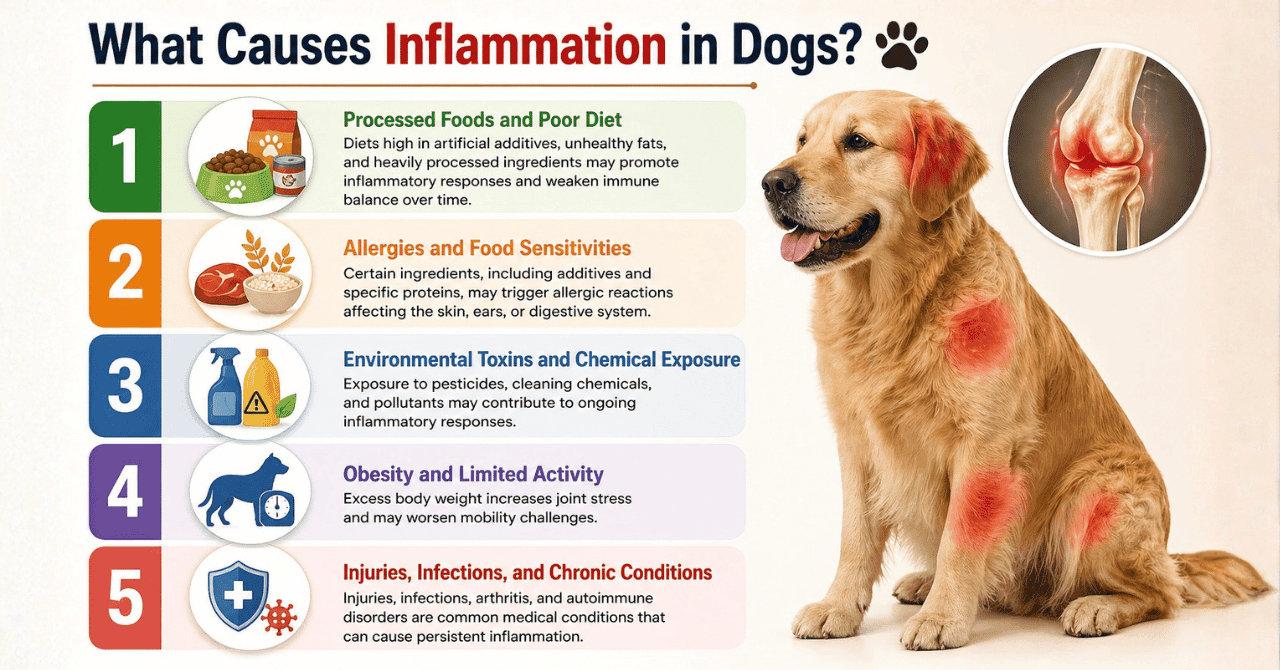
What Causes Inflammation in Dogs?
Chronic inflammation in dogs is often linked to everyday factors such as diet quality, environmental exposures, excess body weight, and underlying medical conditions. Identifying these contributing factors helps guide appropriate care and allows pet owners and veterinarians to address the root cause rather than only managing symptoms.
Processed Foods and Poor Diet
Diets high in artificial additives, unhealthy fats, and heavily processed ingredients may promote inflammatory responses and weaken immune balance over time.
Allergies and Food Sensitivities
Certain ingredients, including additives and specific proteins, may trigger allergic reactions affecting the skin, ears, or digestive system.
Environmental Toxins and Chemical Exposure
Exposure to pesticides, cleaning chemicals, and pollutants may contribute to ongoing inflammatory responses.
Obesity and Limited Activity
Excess body weight increases joint stress and may worsen mobility challenges.
Injuries, Infections, and Chronic Conditions
Injuries, infections, arthritis, and autoimmune disorders are common medical conditions that can cause persistent inflammation.
Once potential causes are identified, supportive strategies such as dietary changes, supplements, and lifestyle adjustments are often used to help manage symptoms and improve comfort.
How to Reduce Inflammation in Dogs Naturally with Diet?
Diet plays a key role in managing inflammatory responses in dogs, as food directly affects immune and joint health. An anti-inflammatory dog diet focuses on whole, nutrient-rich foods that help lower inflammation and support long-term mobility.
Add Omega-3 Rich Foods
Veterinarians widely recommend omega-3 fatty acids for dogs with joint pain and stiffness. Foods such as salmon, sardines, and fish oil provide omega-3 fatty acids that may help ease stiffness and improve movement in dogs with arthritis. Clinical studies from PubMed Central show that fish oil supplementation can improve mobility and reduce signs of pain in dogs with chronic inflammatory conditions.
Include Anti-Inflammatory Whole Foods
Adding small amounts of antioxidant-rich foods can support immune balance. Some of the best foods to reduce inflammation in dogs include blueberries, spinach, pumpkin, and sweet potatoes.
Avoid Foods That Can Worsen Inflammation
Highly processed foods, artificial additives, and unhealthy fats may trigger inflammation. Switching to a balanced, whole-food diet can help reduce these triggers and support overall health.
What Are the Best Natural Anti-Inflammatory Supplements for Dogs?
Veterinarians often use natural anti-inflammatory supplements to support dogs with stiffness, joint discomfort, or chronic inflammation. The table below lists commonly recommended supplements and their typical uses in canine health management.
| Supplement | Common Use | Potential Benefit |
|---|---|---|
| Fish Oil | Joint support | Helps reduce inflammation and stiffness |
| Glucosamine | Joint health | Supports cartilage and mobility |
| Green-Lipped Mussel | Arthritis support | Provides joint-supporting compounds |
| Turmeric (Curcumin) | Anti-inflammatory support | Helps manage joint discomfort |
| CBD Oil | Pain management | May support comfort and relaxation |
← Swipe to see more →
While these supplements may help reduce inflammation, consulting a veterinarian before starting any new supplement is important.
Additional Herbal Ingredients Used in Dog Supplements
Some herbal ingredients are commonly included in canine joint and anti-inflammatory supplements. These ingredients may provide supportive benefits when used under veterinary guidance.
Boswellia Serrata
Boswellia serrata is frequently included in joint-support supplements for dogs. It may help manage swelling and improve comfort in dogs experiencing joint stiffness.
Quercetin
Quercetin is a plant-derived compound often used in supplements formulated for dogs with allergies. It may help support immune balance and reduce irritation linked to allergic responses.
How to Reduce Inflammation in Dogs Naturally with Lifestyle Changes?
Daily habits play an important role in managing inflammation. Consistent routines, such as maintaining activity levels, getting proper rest, and managing weight, can improve comfort and mobility over time. Daily routines such as exercise and weight control are commonly recommended to support long-term mobility and comfort.
- Maintain a healthy weight: Excess body weight increases joint pressure and promotes inflammation. Keeping your dog at a healthy weight reduces excess pressure on joints and supports easier movement.
- Encourage regular exercise: Low-impact activities such as walking or swimming help improve circulation and maintain joint flexibility. Regular movement can reduce stiffness and support better mobility in dogs with inflammation.
- Reduce stress and support routine care: Chronic stress can affect immune function and worsen inflammation. Maintaining consistent routines, grooming, and regular veterinary checkups helps support overall health.

Home Remedies for Inflammation in Dogs
Simple at-home care methods can help improve comfort in dogs experiencing inflammation, especially when used alongside proper veterinary guidance. These supportive measures focus on reducing physical strain, improving circulation, and promoting recovery.
Apply Warm or Cold Compresses
Warm compresses may help relax stiff muscles and improve blood flow, while cold compresses may reduce swelling after minor injuries. Always use a cloth barrier to prevent direct contact with ice or heat.
Provide Supportive Bedding
Orthopedic or well-padded bedding helps reduce joint pressure and support proper rest. Comfortable resting areas are particularly helpful for dogs with stiffness or mobility challenges.
Encourage Gentle Movement
Low-impact activities such as short walks or controlled stretching can help maintain joint flexibility and reduce stiffness. Avoid sudden or high-impact exercise, as it may worsen discomfort.
Use Safe Massage Techniques
Gentle massage around affected areas may help improve circulation and promote relaxation. Massage should be performed carefully and stopped if signs of discomfort appear.
Maintain Consistent Daily Routines
Regular feeding, exercise, and rest schedules support overall physical balance and may help reduce stress-related inflammatory responses.
Wrapping It Up: Reducing Inflammation in Dogs Naturally
Managing inflammation requires identifying its cause and making consistent adjustments to diet, activity levels, and overall care routines. While natural approaches may support long-term wellness, ongoing symptoms should always be evaluated by a veterinarian. With the right care plan, many dogs can experience improved quality of life and better joint health.
Frequently Asked Questions
Omega-3 fatty acids, turmeric, and glucosamine are commonly used to support joint health and ease swelling in dogs.
Mild inflammation may improve within a few weeks, while chronic conditions may require longer-term management.
Mild inflammation may resolve on its own, but persistent symptoms usually require proper care and monitoring.
Medical Disclaimer
This blog is provided for informational purposes only and does not replace expert medical guidance, diagnosis, or treatment. Always consult a licensed veterinarian before starting any new treatment or making changes to your dog’s care plan.