Ozempic Butt Before and After: Causes and How to Prevent It
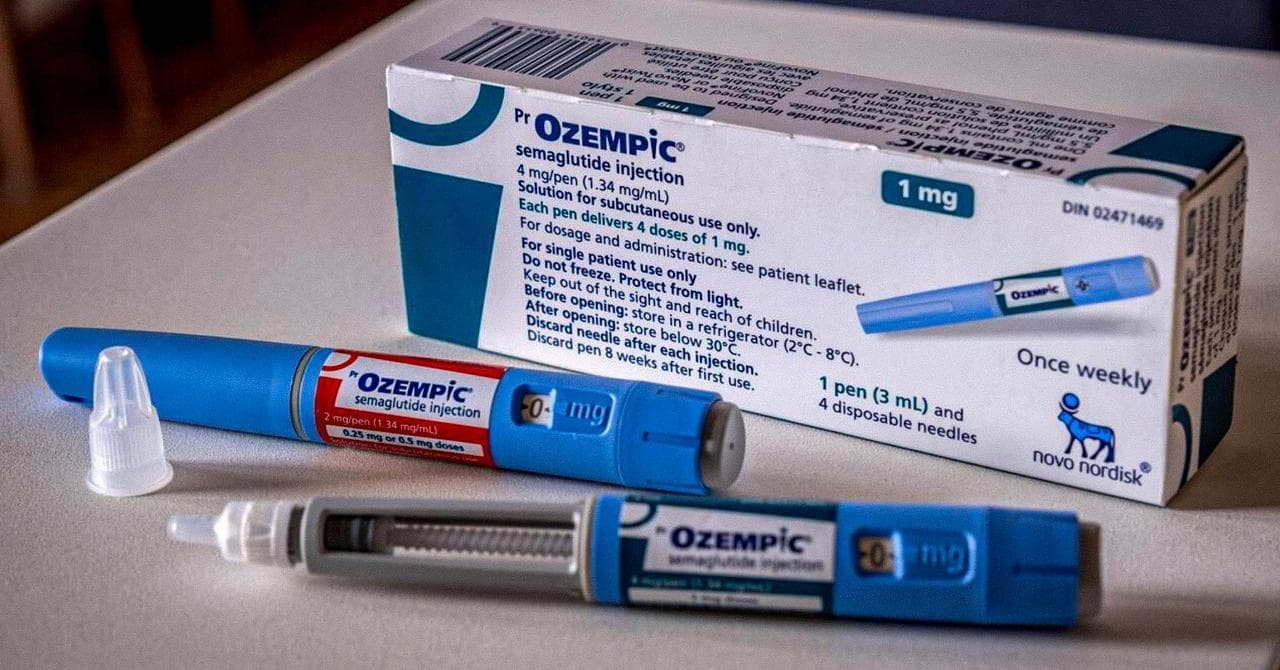
Medications such as Ozempic (semaglutide) are commonly prescribed to improve blood sugar control in adults with type 2 diabetes and are sometimes used off-label to support weight loss. As more people experience noticeable weight reduction, some report visible changes in body shape, particularly sagging or flattening in the buttocks, often referred to as “Ozempic butt.”
This term describes changes that may occur after significant fat loss, leading to reduced volume, loose skin, and a less rounded appearance. These before-and-after differences are usually linked to rapid or substantial weight loss rather than the medication alone. Understanding the causes behind these changes and learning prevention strategies can help individuals better manage their body contours during weight loss.
What Is Ozempic Butt?
Ozempic butt is a non-medical term used to describe changes in the appearance of the buttocks that some people notice during or after significant weight loss while using medications like Ozempic (semaglutide). These changes may include a loss of volume, less firm shape, or sagging.
Importantly, this medication side effect is not direct. Instead, it is typically the result of fat loss and changes in body composition that occur with weight reduction, especially when weight is lost or in larger amounts. As fat loss begins, the skin may not always tighten at the same rate, leading to a looser, deflated appearance. Similar changes can happen with any form of rapid or substantial weight loss, regardless of the method used.
What Causes “Ozempic Butt”?
Below are the possible causes associated with Ozempic butt:
- Rapid Weight Loss: According to the medically reviewed document, rapid weight loss is one of the main reasons behind “Ozempic butt,” as skin does not always adjust quickly to fat loss.
- Fat and Muscle Loss: Weight loss isn’t just fat; muscle mass can also decrease, especially without strength training.
- Reduced Elastin and Collagen: Collagen supports skin structure. After significant weight loss, levels may decrease, leading to looser skin.
- Individual Factors: Age, genetics, duration of obesity, and starting weight.
Ozempic Butt Before vs After: What Changes Actually Happen?
The following comparison outlines common differences observed before and after substantial fat loss.
| Feature | Before Weight Loss | After Weight Loss |
|---|---|---|
| Fat Volume | Higher fat in the glute area | Significant fat reduction |
| Skin Tightness | Firm, stretched | Loose or sagging |
| Shape | Rounded or full | Flattened or deflated |
| Muscle Visibility | Less defined | May appear reduced if muscle loss occurs |
| Skin Elasticity | Better support | Reduced elasticity |
← Swipe to see more →
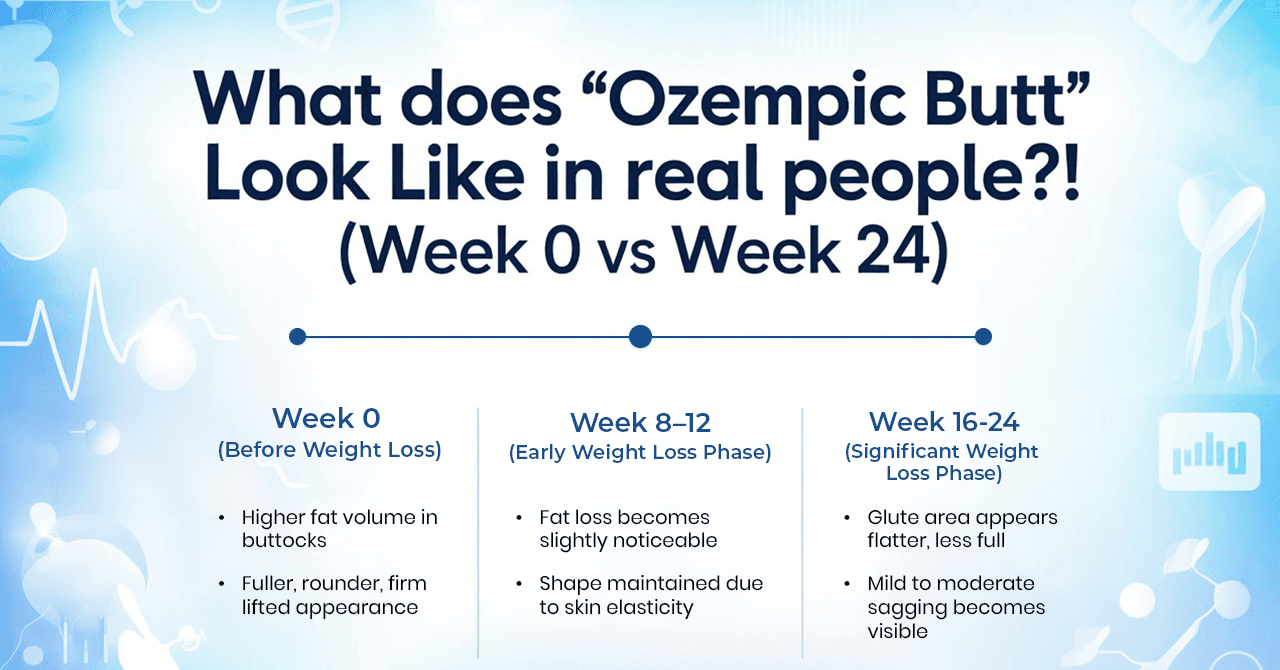
What Does “Ozempic Butt” Look Like in Real People? (Week 0 vs Week 24)
To better understand how “Ozempic butt” appears, it helps to look at how body composition changes over time during weight loss. While individual results vary, most visible changes occur gradually over several months rather than instantly.
Week 0 (Before Weight Loss)
At the starting point, fat volume in the gluteal area is higher, giving the buttocks a fuller, rounder appearance. The skin is stretched over this fat, creating a firm, lifted look.
Week 8–12 (Early Weight Loss Phase)
As weight loss begins, fat reduction becomes noticeable. The buttocks may begin to lose some volume, but skin elasticity often maintains the overall shape. Changes are usually subtle at this stage.
Week 16–24 (Significant Weight Loss Phase)
With continued fat loss, especially around 10–15% of total body weight, the glute area may appear flatter or less full. If weight loss occurs rapidly or skin elasticity is reduced (due to age or genetics), mild to moderate sagging may become visible.
How to Prevent Ozempic Butt?
While you can’t completely avoid “Ozempic butt”, you can reduce the chances and severity with the right approach. Prevention mostly comes down to how you manage your weight loss journey. With the following strategies, you can still prevent the severity of Ozempic butt:
Focus on Gradual Weight Loss
Losing weight slowly and gradually allows the body to adapt to changes, reducing sagging.
Exercise Regularly
Exercises like squats, lunges, hip thrusts, and deadlifts help build and maintain muscle mass, which can improve the overall shape and firmness of the buttocks.
Prioritize Protein Intake
Adequate protein supports muscle preservation and tissue repair, both of which are important during weight loss.
Stay Hydrated and Include Skin Care
Proper hydration and basic skincare may help maintain skin elasticity, although they won’t completely prevent loose skin.
Schedule Proper Appointments
Using semaglutide under medical supervision ensures a safer, more controlled approach to weight loss, helping reduce rapid changes that can impact body composition.
Does Ozempic Actually Cause ‘Ozempic Butt’?
“Ozempic butt” is not caused directly by Ozempic. It’s a result of significant weight loss, which can happen with Ozempic or any other method. When the body loses fat quickly, areas that once had more volume, like the buttocks, may appear flatter or looser. Collagen remodeling slows with age and rapid fat loss, leading to looser skin. So, attributing this change solely to Ozempic can be misleading; it’s really about how the body responds to fat loss.
How to Treat an Ozempic Butt?
If you notice visible changes in buttock shape or firmness, treatment usually begins with conservative methods and progresses based on severity. Most individuals benefit from lifestyle changes and non-surgical treatments first, while surgical procedures are typically reserved for more significant skin laxity after major weight loss.
Non-Surgical Options (First-Line Treatments)
These approaches are commonly recommended for mild to moderate skin laxity and gradual volume loss:
- Resistance training: Helps rebuild glute muscle mass and improve firmness over time.
- Radiofrequency or ultrasound therapy: May stimulate collagen production and support mild skin tightening.
- Laser treatments: Can improve skin texture and elasticity with repeated sessions.
- Dermal fillers: May restore small amounts of lost volume in select cases.
- Platelet-rich plasma (PRP): May support skin regeneration and enhance overall skin quality.
Surgical Options (For Significant Skin Laxity)
These treatments may be considered when there is substantial loose skin or tissue loss, especially after major weight reduction:
- Skin tightening or buttock lift procedures: Remove excess skin and improve contour.
- Fat grafting: Transfers fat from other areas to restore lost volume.
- Body contouring surgeries: Help reshape the buttocks after significant weight loss.
Important Note: It’s important to understand that no treatment fully reverses skin changes caused by rapid weight loss. Most approaches aim to improve appearance rather than completely restore the previous structure.
Who Is More Likely to Get Ozempic Butt?
The table below highlights the most common risk factors and why they matter.
| Risk Factor | Why It Matters |
|---|---|
| Rapid weight loss | Skin does not adapt |
| Age (40+) | Lower collagen |
| High starting weight | More stretched skin |
| Low muscle mass | Less structural support |
| Poor protein intake | Weak tissue repair |
← Swipe to see more →
When to Talk to a Doctor?
While changes in body shape during weight loss are usually not harmful, certain symptoms may indicate the need for medical evaluation. It’s important to speak with a healthcare provider if you notice any of the following:
- Rapid or unexplained muscle loss
- Persistent weakness or fatigue
- Excessive or worsening skin sagging
- Nutritional concerns
A healthcare provider can help assess whether these changes are part of normal weight loss or if adjustments to your treatment plan, nutrition, or activity level are needed.
Wrapping It Up: Managing Ozempic Butt with Confidence
Noticing changes in your body, especially in before-and-after photos, can feel unsettling. But “Ozempic butt” is not a medical concept; it is a natural outcome of fat loss and shifting body composition that can happen during any significant weight loss journey.
What matters most is how you approach it. With the right strength training, a gradual approach to weight loss, proper nutrition, and guidance from a qualified healthcare provider, these changes can often be minimized or improved over time. More importantly, they don’t take away from the real progress you’re making toward better metabolic health. Level up your thinking so your body adjusts to a healthier version of you. And with a thoughtful, sustainable approach, you can support both your health and your confidence every step of the way.
Frequently Asked Questions
It can develop within a few months, especially if weight loss happens rapidly. The faster the fat loss, the less time your skin has to adjust, which can lead to visible changes in body shape.
No, Ozempic butt is not always permanent. In many cases, the appearance can improve over time with strength training, proper nutrition, and gradual weight stabilization. However, significant skin laxity may require additional treatments.
No, not everyone experiences it. Factors like age, genetics, skin elasticity, muscle mass, and the rate of weight loss all play a role in whether these changes occur.
Medical Disclaimer
The above content is for informational purposes only and does not replace professional medical advice. Always consult a licensed healthcare provider before starting or combining medications.