What Is a Diabetes Patch and How Does It Work?
A diabetes patch is a small wearable device designed to make diabetes management easier and less invasive. These patches stick to the skin and help reduce the need for frequent finger pricks or multiple daily injections. Understanding how diabetes patches work helps people explore newer options for more convenient blood sugar management.
What Are the Different Types of Diabetes Patches?
There are different types of diabetes patches designed to either monitor blood sugar levels or deliver insulin. Each type supports diabetes management differently.
Continuous Glucose Monitoring (CGM) Patches
These patches track glucose levels throughout the day and night, helping users understand trends without frequent finger-prick testing.
Insulin Delivery Patches
These patches deliver insulin through the skin and may reduce the need for multiple daily injections. Some allow additional doses during meals.
Experimental or Smart Diabetes Patches
These are still being studied and are designed to automatically respond to changes in blood sugar levels.
How Does a Diabetes Patch Work to Monitor or Deliver Insulin?
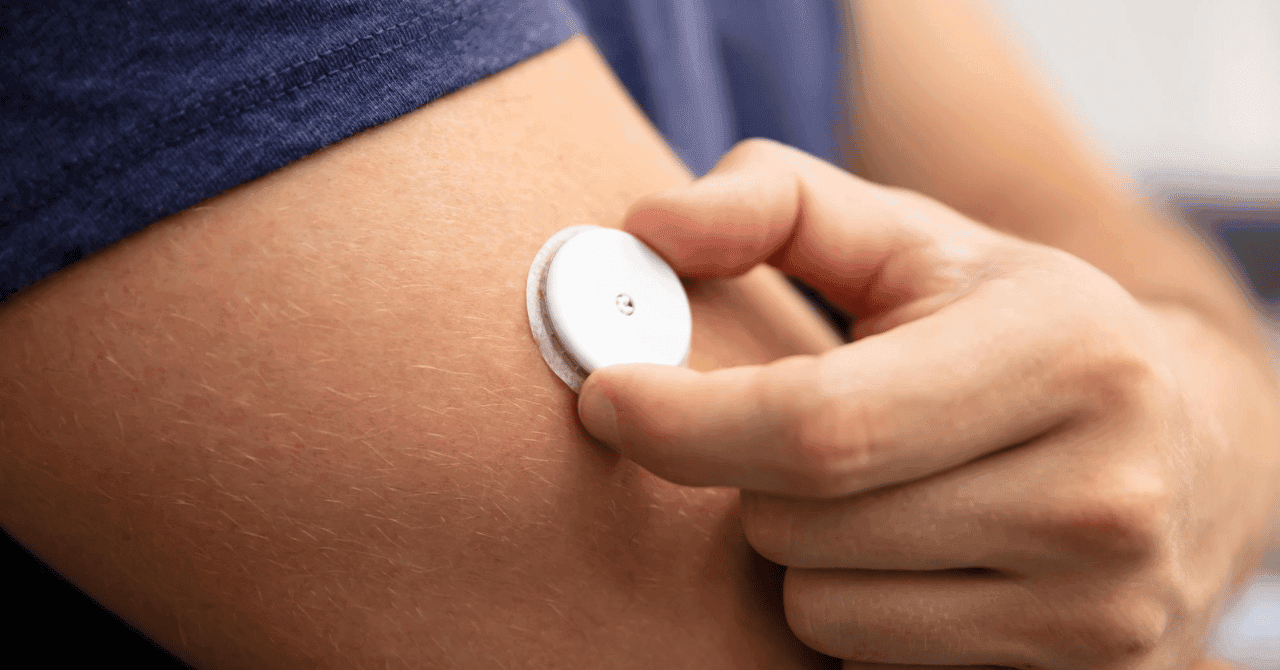
Diabetes patches work by placing a small sensor or delivery system just under the skin. Depending on the design, they either monitor glucose levels continuously or deliver insulin in controlled amounts to help manage blood sugar.
How Diabetes Patches Monitor Glucose Levels
Research on wearable glucose monitoring technology shows that these sensors can provide continuous glucose data, helping improve blood sugar tracking and trend detection. The sensor checks glucose at regular intervals and sends the readings through a wireless transmitter to a smartphone or receiver.
How Diabetes Patches Deliver Insulin
Insulin patches contain a small reservoir that releases insulin through the skin in controlled amounts. Some devices provide continuous delivery, while others allow additional doses based on user input.
Who Can Use a Diabetes Patch?
Diabetes patches are commonly used by:
- People with Type 1 diabetes: Diabetes patches are commonly used by individuals who need continuous blood sugar monitoring or insulin delivery.
- People with Type 2 diabetes using insulin: Some people with type 2 diabetes may benefit from diabetes patches, especially if they use insulin or need frequent glucose checks.
- People who have difficulty managing blood sugar levels: Diabetes patches may help those who experience frequent high or low blood sugar levels or require close monitoring.
According to the Centers for Disease Control and Prevention, continuous glucose monitoring devices can be helpful for people with type 1 diabetes, those with type 2 diabetes who use insulin, and individuals who frequently test their blood sugar or have trouble keeping levels within target ranges.
How to Use and Maintain a Diabetes Patch?
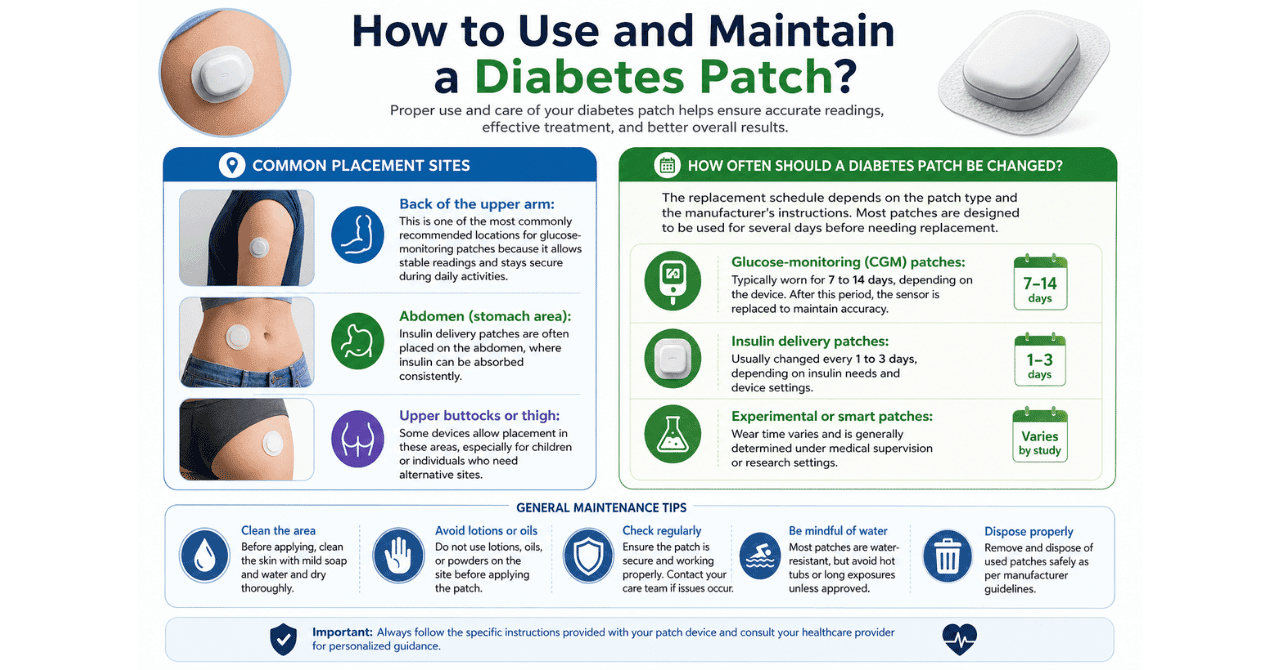
A diabetes patch is usually placed on clean, dry skin in areas with enough fatty tissue to allow proper sensor function or insulin delivery. The exact placement depends on the type of diabetes patch and the manufacturer’s instructions.
Common Placement Sites
- Back of the upper arm: This is one of the most commonly recommended locations for glucose-monitoring patches because it allows stable readings and stays secure during daily activities.
- Abdomen (stomach area): Insulin delivery patches are often placed on the abdomen, where insulin can be absorbed consistently.
- Upper buttocks or thigh: Some devices allow placement in these areas, especially for children or individuals who need alternative sites.
Before applying a diabetes patch, the skin should be clean, dry, and free from cuts, irritation, or scarring. Rotating application sites is recommended to reduce skin irritation and maintain consistent performance.
How Often Should a Diabetes Patch Be Changed?
The replacement schedule depends on the patch type and the manufacturer’s instructions. Most patches are designed to be used for several days before needing replacement.
- Glucose-monitoring (CGM) patches: Typically worn for 7 to 14 days, depending on the device. After this period, the sensor is replaced to maintain accuracy.
- Insulin delivery patches: Usually changed every 1 to 3 days, depending on insulin needs and device settings.
- Experimental or smart patches: Wear time varies and is generally determined under medical supervision or research settings.
Conclusion: Are Diabetes Patches Safe to Use?
Overall, diabetes patches are generally safe when used as directed and under medical guidance. These wearable devices make blood sugar monitoring or insulin delivery more convenient and support consistent diabetes management. However, diabetes patches may not be suitable for everyone. Proper placement, regular replacement, and following device instructions are important to prevent skin irritation or inaccurate readings. A healthcare provider should always be consulted to determine whether a diabetes patch is safe and appropriate for an individual's health needs.
Frequently Asked Questions
Yes, many waterproof diabetes patches are designed to be water-resistant, allowing users to shower safely.
No, not all diabetes patches replace insulin injections. Some patches only monitor glucose levels, while insulin delivery patches may reduce the need for multiple daily injections in certain patients.
Diabetes patches that use continuous glucose monitoring technology are generally accurate, but occasional finger-prick tests may still be needed to confirm readings when levels change quickly.
Most glucose monitoring patches last about 7 to 14 days, while insulin delivery patches are typically changed every 1 to 3 days, depending on the device.
Medical Disclaimer
This blog is provided for informational purposes only and does not replace expert medical guidance, diagnosis, or treatment. The information is based on trusted sources such as the FDA and National Library of Medicine, but individual responses may vary. Always consult an authorized healthcare professional before making treatment decisions.