Why U.S. Patients Microdose GLP-1s in 2026: Cost, Side Effects & A Better Option
Key Takeaways
- Primary Drivers: High costs and severe nausea explain why U.S. patients Microdose GLP-1s in 2026.
- Symptom Relief: Individuals reduce doses to manage severe gastrointestinal side effects of GLP-1 medications.
- Clinical Hazards: Stretching Ozempic pen supplies introduces severe physical risks and highly unpredictable metabolic outcomes.
- Strict Expiration: The FDA label strongly mandates discarding opened injection pens after exactly 56 days.
- Better Options: Regulated Canadian fulfillment and official manufacturer assistance provide safer affordability without rationing doses.
Key Takeaways:
Why do U.S. patients microdose GLP-1s in 2026? Skyrocketing out-of-pocket costs and severe nausea drive this unapproved trend. While taking fractional amounts seems like a quick fix for financial and physical relief, altering injection schedules introduces severe clinical hazards. Here is a look at why this happens and the safer alternatives available.
What Does a GLP-1 Microdosing Schedule Mean in 2026?
A GLP-1 microdosing schedule means taking a tiny fraction of your prescribed medication. Patients use less than the standard therapeutic dose of semaglutide approved by regulators. This unofficial practice bypasses clinical benchmarks completely. You might see individuals dividing weekly amounts into smaller, more frequent injections.
This differs completely from a doctor slowly increasing your approved starting dose. Unofficial dose changes lack formal safety data. Modifying your schedule without medical supervision creates an off-label Ozempic use. This unapproved practice makes your metabolic results highly unpredictable.
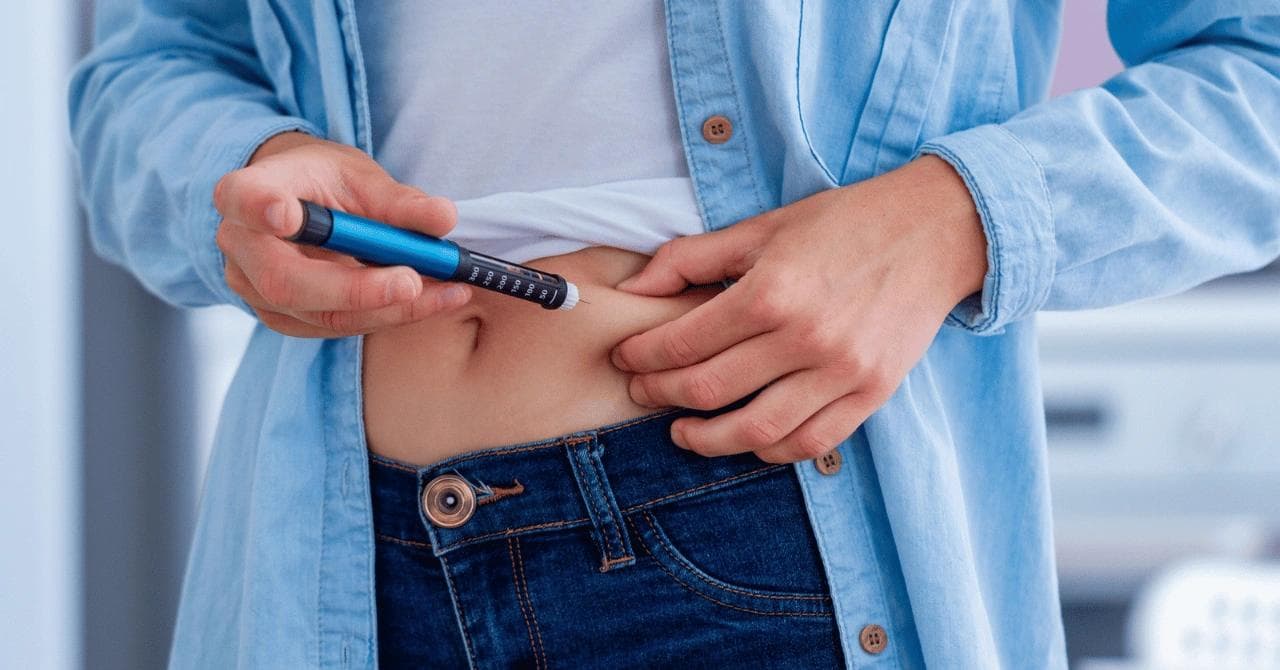
Why U.S. Patients Microdose GLP-1s in 2026
Understanding why U.S. patients Microdose GLP-1s in 2026 requires looking at two massive hurdles. You face extreme financial pressure and difficult physical adjustments.
High Out-of-Pocket GLP-1 Costs
Cost acts as the primary driver for unapproved dose reduction. The high cash price creates intense financial pressure for you. Many individuals research how to save money on Ozempic daily. Top microdosing GLP-1 reasons in 2026 involve extending medication supplies longer.
You might try stretching Ozempic pen usage across eight weeks instead of four. This lowers your immediate pharmacy spending. Uninsured buyers often view this as their only option.
Gastrointestinal Side Effects of GLP-1 Medications
The second driver involves severe physical discomfort during treatment. The gastrointestinal side effects of GLP-1 medications include intense nausea and vomiting. Some individuals research Ozempic microdosing side effects, seeking immediate relief.
You might look up microdose Wegovy reasons, hoping smaller amounts prevent stomach pain. However, avoiding the approved escalation schedule stops your body from adapting properly. This creates a cyclical return of symptoms instead.
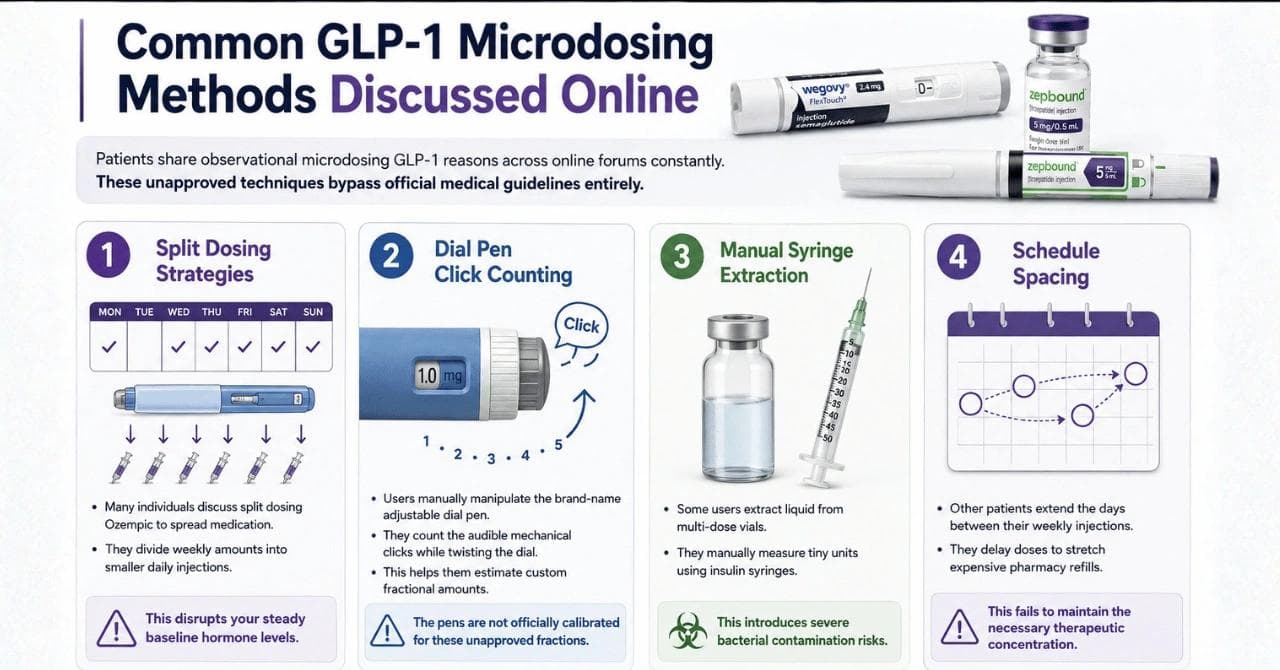
Common GLP-1 Microdosing Methods Discussed Online
Patients share observational microdosing GLP-1 reasons across online forums constantly. These unapproved techniques bypass official medical guidelines entirely.
- Split Dosing Strategies: Many individuals discuss split dosing Ozempic to spread medication. They divide weekly amounts into smaller daily injections. This disrupts your steady baseline hormone levels.
- Dial Pen Click Counting: Users manually manipulate the brand-name adjustable dial pen. They count the audible mechanical clicks while twisting the dial. This helps them estimate custom fractional amounts. The pens are not officially calibrated for these unapproved fractions.
- Manual Syringe Extraction: Some users extract liquid from multi-dose vials. They manually measure tiny units using insulin syringes. This introduces severe bacterial contamination risks.
- Schedule Spacing: Other patients extend the days between their weekly injections. They delay doses to stretch expensive pharmacy refills. This fails to maintain the necessary therapeutic concentration.
FDA Warnings and the Risks of Dosing Errors
Federal regulators actively monitor unapproved injection practices online. The FDA recently announced actions against unapproved compounded GLP-1 products. Self-administered dosing errors cause severe adverse health events. Some calculation mistakes require immediate patient hospitalization.
Manual syringe measurement creates dangerous confusion between milligrams and milliliters. The official FDA label mandates discarding opened pens after 56 days. Stretching your pen beyond this limit risks severe bacterial contamination. Healthcare providers strongly discourage these unsafe manual adjustments.
Does an Altered GLP-1 Schedule Actually Reduce Long-Term Costs?
Patients often wonder why microdose Ozempic if the savings remain temporary. Short-term monthly spending appears lower when you reduce weekly usage. However, paying retail prices for subtherapeutic doses wastes your health budget. You lose vital glycemic protections when dropping approved clinical limits below.
Stalled metabolic progress means you spend money without seeing real benefits. Delayed progress ultimately extends your overall treatment timeline significantly. Unused medication must also be thrown away after exactly 56 days. This strict safety rule destroys your calculated monthly savings entirely.
Better Options Patients Explore Instead of GLP-1 Microdosing
Patients explore several regulated affordability options before changing refill schedules independently. Finding legitimate financial pathways removes the pressure to stretch medication doses.
| Alternative Pathway | Why Patients Explore It |
|---|---|
| Manufacturer Support | Some review the Novo Nordisk patient assistance program for lower out-of-pocket costs. |
| Insurance Appeals | Patients may request formulary exceptions or review updated Medicare Part D GLP-1 coverage policies. |
| Direct Pay Options | Some Americans compare available manufacturer direct-pay program pricing instead of reducing doses independently. |
| Canadian Fulfillment | Some research regulated options like Polar Bear Meds to buy Ozempic online in Canada. |
← Swipe to see more →
The Bottom Line: Balancing 2026 GLP-1 Costs And Safety
Financial struggles and physical discomfort drive the GLP-1 microdosing trend today. However, unapproved dose adjustments create highly unpredictable metabolic outcomes. Stretching your supply beyond safe limits introduces severe clinical hazards. Official financial assistance and regulated Canadian pharmacies offer better stability. These legitimate pathways completely remove the pressure to ration doses. Review verified treatment options to support your prescribed health journey safely.
Frequently Asked Questions
No. GLP-1 medications follow specific dosing schedules tested in clinical trials. Unofficial microdosing falls completely outside approved FDA prescribing instructions.
Most online discussions center on severe prescription affordability concerns. High retail pharmacy pricing drives individuals toward unapproved management strategies.
No. Altering schedules may briefly lower nausea. However, this prevents your body from adapting to the medication properly.
Split dosing refers to dividing weekly amounts into smaller, more frequent injections. This unapproved method alters your steady baseline hormone levels dangerously.
Not consistently. Reducing weekly amounts lowers immediate spending temporarily. Paying retail prices for subtherapeutic doses fails to deliver lasting value.
Regulators warn about manual dosing errors and inconsistent medication delivery. Stretching medication also exposes your body to severe bacterial contamination risks.
Patients frequently explore manufacturer assistance programs or submit formal formulary appeals. Many individuals also review regulated international pharmacy sourcing for standard doses.
No. Standard clinical dosing provides proven metabolic and glycemic benefits. Microdosing lacks clinical evidence and disrupts your prescribed treatment progression.
No. Most GLP-1 injections are specifically formulated for weekly administration. Daily microdosing contradicts official guidelines and creates unpredictable hormone fluctuations.
Patients most commonly report intense gastrointestinal discomfort during early treatment. Nausea and vomiting remain the primary reasons individuals alter doses.
Disclaimer
This blog is provided for informational purposes only and does not replace professional medical, insurance, financial, or prescription guidance. Pricing, availability, prescription requirements, shipping timelines, and medication access policies may change over time and vary by provider, pharmacy source, and insurance plan. Always consult your healthcare provider, insurance representative, or official government resources before making medication, prescription, or coverage decisions.