











Search for 'Ozempic'


Flat-rate shipping $14.99 · included in your cart total before checkout

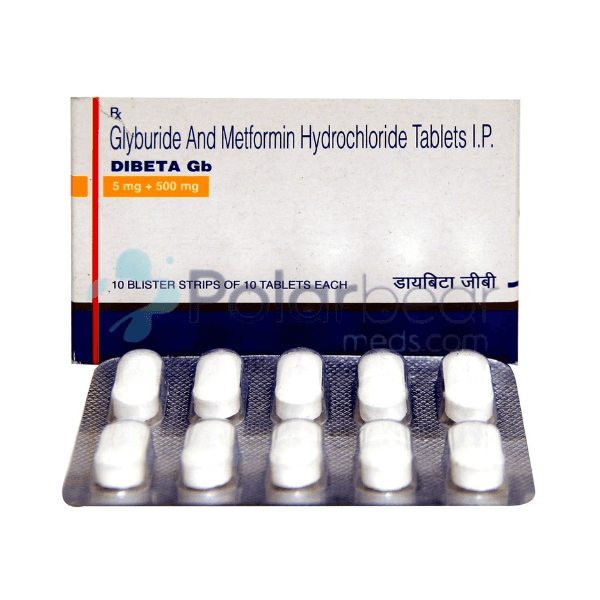
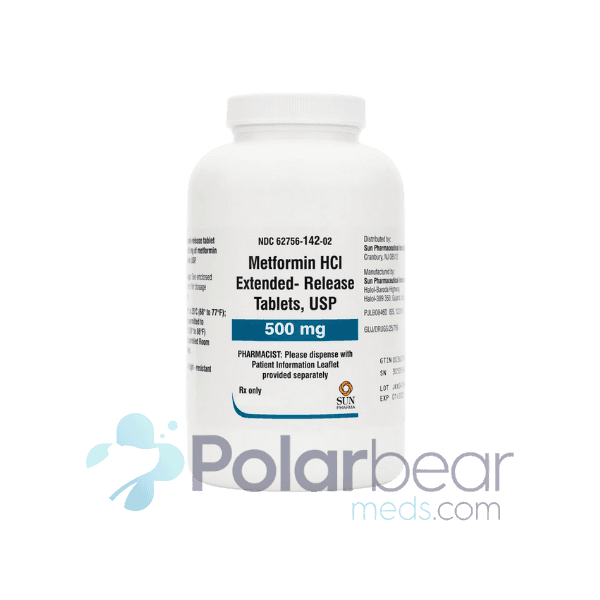
Glucophage is a prescription medication that contains metformin hydrochloride, an oral antihyperglycemic drug used to help control blood sugar levels. It belongs to a class of medications known as biguanides and is commonly prescribed for people with type 2 diabetes mellitus.
Glucophage works best when combined with healthy diet changes and regular physical activity to improve blood sugar control. It is available in tablet form and is usually taken once or multiple times daily, depending on the prescribed dose.
| Category | Information |
|---|---|
| Generic Name | Metformin hydrochloride |
| Brand Name | Glucophage |
| Drug Class | Biguanide (oral antihyperglycemic agent) |
| FDA‑Approved Indication | Improves glycemic control in adults and children ≥10 years with type 2 diabetes mellitus |
| Dosage Forms | Immediate-release tablets (500 mg, 850 mg, 1000 mg); Extended-release tablets (500 mg, 750 mg, 1000 mg) (ER strengths vary by brand but are generally listed this way in references) |
| Typical Adult Dose | Start 500 mg twice daily or 850 mg once daily; titrate gradually to minimize GI side effects; maximum 2550 mg/day (immediate‑release) |
| Pediatric Use | Approved for children ≥10 years with type 2 diabetes; starting dose 500 mg twice daily |
| Contraindications | Hypersensitivity to metformin, severe renal impairment (eGFR <30 mL/min/1.73 m²), metabolic acidosis (including diabetic ketoacidosis) |
| Warnings | Risk of lactic acidosis (rare but serious), especially with renal impairment, liver disease, or alcohol abuse |
| Common Side Effects | Diarrhea, nausea, vomiting, abdominal discomfort, flatulence |
| Long‑Term Risks | Possible vitamin B12 deficiency with prolonged use |
| Use in Type 1 Diabetes | Not indicated for the treatment of Type 1 diabetes mellitus |
← Swipe to see more →

According to the FDA-approved prescribing information, Glucophage is used to:

Follow these Glucophage administration guidelines for safe use:
Glucophage dosage should always be individualized by a physician based on blood glucose response and tolerance. Always follow the prescribing doctor’s dosage instructions and monitoring schedule.
| Condition | Initial Dose | Dose Adjustment | Maximum Dose | How Often |
|---|---|---|---|---|
| Type 2 Diabetes (Immediate‑Release Tablets) | 850 mg once daily or 500 mg twice a day | Increase by 850 mg every 2 weeks or 500 mg twice a day as needed | 2550 mg/day | 2–3 divided doses with meals |
| Type 2 Diabetes (Extended‑Release Tablets) | 500 mg once daily with evening meal | Increase by 500 mg weekly based on glucose control | 2000 mg/day | Once daily |
← Swipe to see more →
| Condition | Age Group | Initial Dose | Dose Adjustment | Maximum Dose | How Often |
|---|---|---|---|---|---|
| Type 2 Diabetes | Children ≥10 years | 500 mg twice daily | Increase by 500 mg weekly if needed | 2000 mg/day | 2 divided doses with meals |
← Swipe to see more →

Glucophage works in three main ways:
Together, these effects help lower blood sugar levels and improve overall glucose control.

Like all medications, Glucophage (metformin) may cause some side effects. Most are mild and improve as your body adjusts to the medicine.
These side effects are the most frequently reported, especially when starting treatment:
Taking this medication with meals can help reduce stomach-related side effects.
Some people may also experience:
In rare cases, Glucophage may cause a serious condition called lactic acidosis, which occurs when lactic acid builds up in the blood. Symptoms may include:
If you experience these symptoms, seek medical attention.
Contact your doctor if Glucophage side effects are severe, persistent, or if you notice symptoms of low blood sugar when Glucophage is taken with other diabetes medications.


Proper storage helps maintain the effectiveness of Glucophage tablets.
| Storage Factor | Recommendation |
|---|---|
| Temperature | Store Glucophage at room temperature (20–25°C/68–77°F). |
| Light | Protect from excessive heat and moisture. |
| Container | Keep tablets in the original container. |
| Safety | Keep out of reach of children and pets. |
← Swipe to see more →

An overdose of Glucophage can be serious and requires immediate medical attention. Taking too much of this medication may lead to a rare but life-threatening condition called lactic acidosis, in which lactic acid builds up in the bloodstream.
Symptoms may develop gradually and can include:
If a Glucophage overdose is suspected, seek emergency medical care immediately or contact Poison Control without delay.

Some individuals should avoid using Glucophage due to safety concerns.
Your healthcare provider may evaluate these factors before prescribing the medication.

Glucophage may interact with certain medications that affect kidney function, blood sugar levels, or lactic acid metabolism. Always inform your provider about all medicines you are taking.
| Drug Class | Drug Examples | Potential Interaction |
|---|---|---|
| Carbonic anhydrase inhibitors | Topiramate, acetazolamide, zonisamide | May increase the risk of lactic acidosis when used together with metformin. |
| Drugs that reduce renal clearance | Cimetidine, ranolazine, dolutegravir, vandetanib | May raise metformin levels in the blood, increasing the risk of serious side effects. |
| Insulin and other antidiabetic drugs | Insulin, sulfonylureas (glipizide, glyburide) | May raise the risk of hypoglycemia; blood glucose monitoring is recommended. |
| Iodinated contrast agents | Contrast dyes used in CT scans or other imaging tests | May temporarily impair kidney function and raise the risk of lactic acidosis; metformin may need to be stopped before and after the procedure. |
| Drugs affecting kidney function | Diuretics, ACE inhibitors, NSAIDs | May impair kidney function and alter metformin elimination; monitoring is required. |
| Alcohol | Beer, wine, liquor | Excessive alcohol intake raises the risk of lactic acidosis when combined with metformin. |
← Swipe to see more →

If Glucophage is not suitable for you, your doctor may recommend other medications for Type 2 diabetes management. The best alternative depends on your blood sugar levels, overall health, and treatment goals.
Only a doctor or provider can determine the most appropriate alternative to Glucophage, depending on your medical history and diabetes management needs.
Patients often compare Glucophage with other medications used to manage Type 2 Diabetes.
| Medication | Drug Class | How It Works | Key Benefit | Common Use |
|---|---|---|---|---|
| Glucophage | Biguanide | Improves insulin sensitivity & lowers glucose production in the liver | First‑line treatment for type 2 diabetes | Often, the first medication prescribed |
| Ozempic | GLP‑1 receptor agonist | Stimulates insulin release and slows digestion | May support weight loss | Used when blood sugar remains high |
| Jardiance | SGLT2 inhibitor | Removes excess glucose through urine | Cardiovascular and kidney benefits | Used alone or with other drugs |
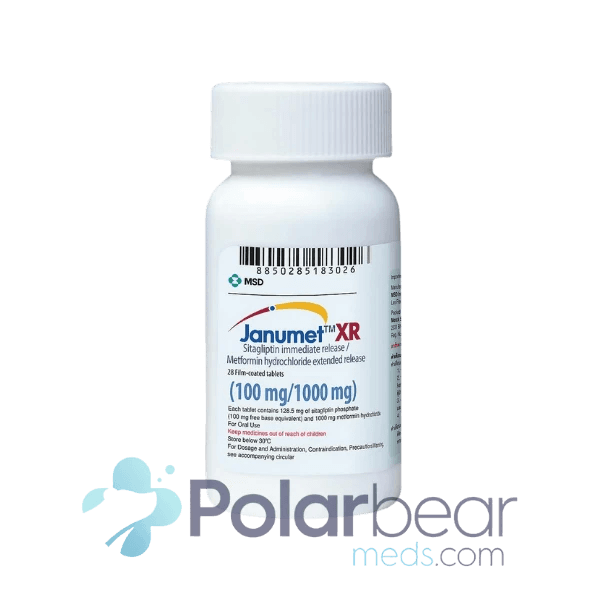
| Januvia | DPP‑4 inhibitor | Increases insulin release after meals | Lower risk of hypoglycemia | Alternative or add‑on therapy |
← Swipe to see more →
Recommended lifestyle changes while taking Glucophage for Type 2 diabetes management:
These changes help improve long-term blood sugar control.

This information is for educational purposes only and does not replace professional medical advice. Always consult a healthcare professional before stopping, starting, or changing any medication.

U.S. patients often pay significantly more for Glucophage at local pharmacies. Ordering Glucophage from Canada through Polar Bear Meds helps you access the same prescription medication at a lower cost while maintaining safety and pharmacy standards.
Why patients choose Polar Bear Meds:
Polar Bear Meds works only with regulated pharmacy partners and requires a valid prescription for all Glucophage orders, helping ensure responsible and safe use.
Pricing may vary based on tablet strength, quantity ordered, and current availability. Save even more with:



Dr. Jackson Miller is a board-certified medicine physician & hospitalist. He is a healthcare professional with a strong background in patient care. With years of experience and a patient-first approach, he believes the foundation of good health is a patient who feels informed and empowered. He contributes to medical content review, drawing on his background in clinical practice and patient education. He focuses on presenting health information in a clear, accurate, and accessible way to help readers make informed decisions. His work emphasizes clarity, evidence-based guidance, and understandable explanations of medical topics.
Learn more about Glucophage and related topics



We offer competitive pricing on all our medications. We'll match if you find a lower price on an identical product at a verified Canadian online pharmacy!
Need help? Call our friendly support team at 1-888-779-2193 or fill out the Contact Form