Mounjaro and Surgery: New Guidance for Patients Taking Tirzepatide, Ozempic and Other GLP-1 Drugs Before Surgery
Current multi-society clinical guidance no longer recommends that every patient routinely stop GLP-1 medications before elective surgery. Instead, healthcare providers evaluate each patient individually based on their risk of delayed stomach emptying, gastrointestinal symptoms, stage of treatment, and the type of procedure being performed.
Patients should always inform their surgeon, anesthesiologist, and prescribing clinician that they are taking medications such as Mounjaro (tirzepatide), Ozempic (semaglutide), Wegovy, or Zepbound. Those at higher risk including patients in the dose-escalation phase or those experiencing significant nausea or vomiting may be advised to follow a liquid-only diet for 24 hours before surgery or, in some cases, delay elective procedures until symptoms improve.
Introduction to GLP-1 Receptor Agonists: Ozempic and Mounjaro (Tirzepatide)
In relation to managing conditions such as type 2 diabetes and obesity, GLP-1 receptor agonists including Ozempic and Mounjaro (tirzepatide) have become key players in treatment protocols. These medications mimic a natural hormone called GLP-1, which is released by your gut after eating. By activating GLP-1 receptors, they slow gastric emptying, inhibit the release of glucagon, and stimulate insulin production. This all leads to better control over blood sugar levels.
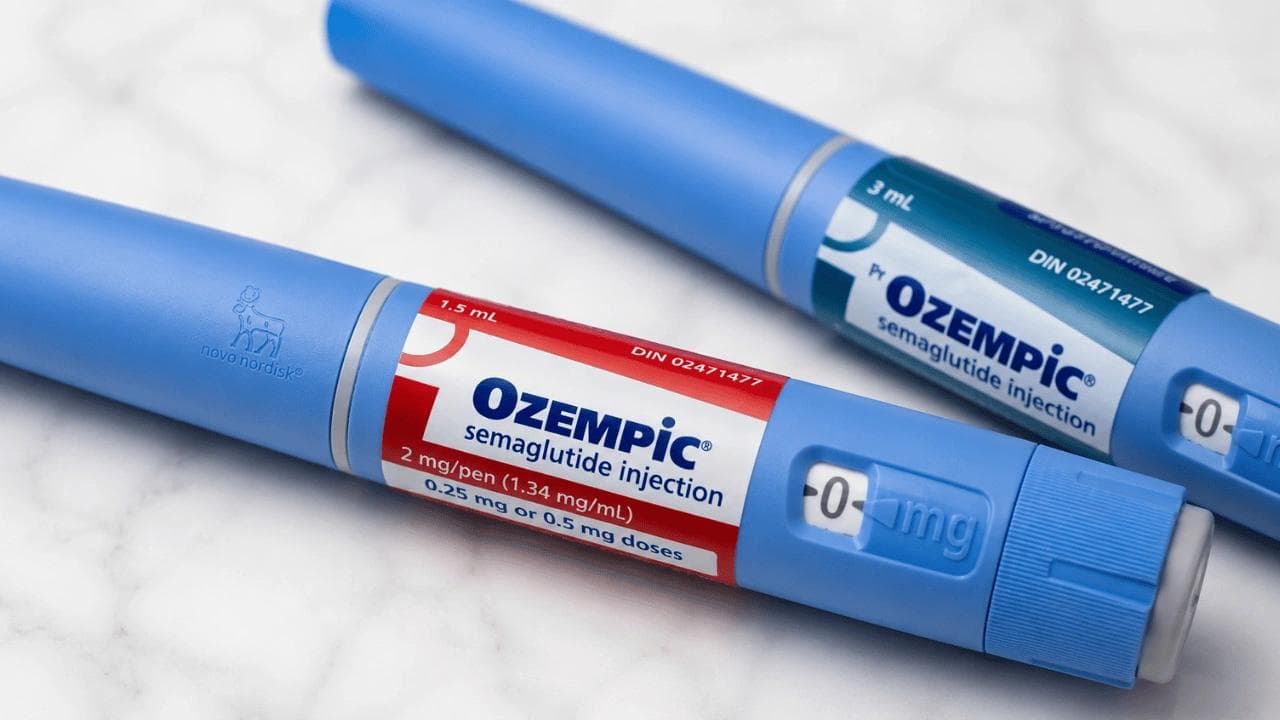
Ozempic, a commonly prescribed GLP-1 receptor agonist, is well-known for its effectiveness in improving insulin production while also promoting weight loss. Mounjaro, another innovative option, combines the effects of GLP-1 and an additional hormone receptor, enhancing its ability to support weight loss and manage blood sugar. These weight loss drugs are not just for diabetes; they’re also approved for treating obesity, providing a crucial lifeline for those struggling with excess weight.
Both Ozempic and Mounjaro can help you feel fuller, meaning you eat less. This effect contributes to weight loss, which is critically important for managing type 2 diabetes and improving overall health. As these drugs continue to be investigated, they show promise in treating related issues such as non-alcoholic fatty liver disease and polycystic ovary syndrome. Understanding how these GLP-1 receptor agonists work can empower you to make informed choices in your health quest.
Importance of Preoperative Assessment for People Taking GLP-1 Drugs
Taking GLP-1 drugs can greatly impact surgical outcomes, making a thorough preoperative assessment vital for patients using these medications. Understanding how these drugs affect your body can help you and your healthcare team prevent complications and guarantee a safe surgical experience.
Consider these important factors:
- Delayed gastric emptying increases the risk of pulmonary aspiration during surgery.
- Preoperative fasting can help mitigate these risks, allowing for safer procedures.
- Your blood sugar levels must be closely monitored, especially if you’re taking these medications for weight loss or diabetes management.
Assessing individual risk factors is fundamental for tailored care. High-risk patients should follow a liquid diet for at least 24 hours before surgery, allowing your healthcare team to adjust the anesthesia plan appropriately. Involving your healthcare team including anesthesiologists, surgeons, and your primary care provider guarantees everyone is informed about your medication and condition.
Additionally, point-of-care ultrasound can be used to assess gastric contents before surgery, determining the safest course of action. Avoid bias; adjustments shouldn’t just be for those who are overweight. Proper guidelines advocate for continuing GLP-1 medications for most patients, taking into account their benefits for managing diabetes and promoting weight loss.
New Clinical Guidelines Overview for Surgical Procedures and GLP-1 Medications
Surgical procedures involving patients on GLP-1 medications require careful consideration of new clinical guidelines to guarantee safety and effectiveness. If you’re planning elective surgery and take GLP-1 receptor agonists such as Mounjaro or Ozempic, there are important steps to follow. Generally, you can continue your medication, but your specific health conditions matter. If you have high-risk factors for complications, talking with your surgical team is essential.
For high-risk patients, a liquid diet 24 hours before surgery may be necessary. You’ll need to adjust your anesthesia plan, since general anesthesia may pose risks for those using GLP-1 medications. Earlier guidance recommended temporarily withholding GLP-1 medications before surgery. However, updated multi-society guidance recommends that most patients can continue treatment, with medication decisions based on individual risk factors rather than a routine stop for everyone.
Monitor your blood sugar levels closely, especially if you’ll be without your GLP-1 drugs around the time of your surgery. Your healthcare team must communicate effectively about your diabetes management to minimize complications and secure smooth postoperative management. Be open about your needs and discuss your medication with both your anesthesiologist and surgical team. They can help devise a safe surgical plan tailored to your situation, contributing to a successful outcome and a sense of liberation in your healthcare experience.
Risks Associated with Discontinuing GLP-1 Medications like Ozempic and Mounjaro
Temporarily stopping GLP-1 medications such as Ozempic (semaglutide) and Mounjaro (tirzepatide) before surgery may be appropriate for some higher-risk patients, but the decision should always be individualized. For people with type 2 diabetes, interrupting treatment may lead to higher blood sugar levels. For those using GLP-1 medications for weight management, stopping treatment may reduce appetite control and contribute to weight regain over time.
Potential effects of temporarily stopping GLP-1 medications include:
- Blood sugar levels may increase, particularly in people with type 2 diabetes.
- Appetite control may decrease, which may contribute to weight regain over time.
- Any decision to temporarily stop treatment should be made with your prescribing clinician and surgical team.
When GLP-1 medications are interrupted, people with diabetes may experience reduced blood sugar control, while those taking these medications for obesity may notice increased hunger or appetite. However, these potential effects should always be balanced against any surgical risks. Current multi-society guidance recommends an individualized approach rather than routinely stopping GLP-1 medications before every procedure.
Never stop Ozempic, Mounjaro, or another GLP-1 medication on your own before surgery. Your surgeon, anesthesiologist, and prescribing clinician should determine whether any temporary medication changes are necessary based on your procedure, gastrointestinal symptoms, stage of treatment (including dose escalation), and overall health. This personalized approach helps balance surgical safety while maintaining appropriate diabetes and weight management.
Gastric Emptying, Aspiration, and Anesthesia Considerations for Patients Taking GLP-1
Many patients on GLP-1 medications must consider the implications of gastric emptying delays at the time of preparing for surgery. These medications can slow down how fast your stomach empties, which raises concerns about residual gastric contents. If your stomach isn’t empty, there’s a higher risk of aspiration during anesthesia, where stomach contents could enter the lungs.
When you undergo elective surgery, preoperative fasting guidelines are essential. Normally, a fasting period may suffice. Some studies have found that residual stomach contents are more common among GLP-1 users undergoing procedures, particularly in patients with ongoing gastrointestinal symptoms. Individual risk assessment remains more important than applying a single rule to every patient. Anesthesiologists need to take this into account, especially if you experience gastrointestinal symptoms.
To minimize the risk of pulmonary aspiration, it’s important to communicate openly with your healthcare team. Let your surgeon and anesthesiologist know you’re on GLP-1 medications so they can consider adjusting protocols accordingly. Specific assessments, such as point-of-care gastric ultrasound, may help gauge residual gastric volume before surgery.
In some cases, following a liquid diet 24 hours before the procedure could be advisable, particularly for high-risk patients. Remember, managing your blood sugar is also important during this time. With careful planning and open communication, you can navigate these considerations effectively, leading to a safer surgical experience while continuing your GLP-1 treatment.
Recommendations for Patients at Higher Risk Undergoing Surgical Procedures on GLP-1 Drugs
Patients taking GLP-1 medications face unique challenges during preparation for surgery, particularly those at higher risk for complications. If you’re in this group, it’s vital to follow specific recommendations to minimize your risk of complications during your procedure.
Consider these key points while you prepare for surgery:
- Preoperative fasting recommendations: A liquid-only diet for 24 hours before your surgery helps reduce the risk of pulmonary aspiration.
- Delays if needed: If you are in the dose-escalation phase (typically the first 4-8 weeks after starting or increasing the dose, depending on the medication) and are experiencing significant gastrointestinal symptoms, your healthcare team may recommend delaying elective surgery until this phase has passed and symptoms have improved.
- Monitoring nausea: If you experience severe nausea or gastrointestinal symptoms, postponing the surgery may be prudent.
For high-risk patients using GLP-1 medications, individualized care is fundamental. Work with your healthcare team to assess your unique situation, including managing any potential complications during surgery. Adherence to guidelines regarding blood sugar levels and anesthesia adjustments helps safeguard your well-being while in surgery.
Your healthcare providers may suggest using point-of-care ultrasound to check stomach contents before your procedure, improving safety. It’s important to communicate openly with your doctors, including your endocrinologist and anesthesiologist, to guarantee a coordinated approach.
Individualized Approach to Surgery Planning for People Taking Eli Lilly’s GLP-1 Medications
An individualized approach is imperative during planning surgery for individuals taking Eli Lilly’s GLP-1 medications, such as Mounjaro and Ozempic. Understanding how these medications affect your body is essential. For example, GLP-1 drugs can cause delayed gastric emptying, heightening the risk of pulmonary aspiration during anesthesia. It’s important to discuss this with your anesthesiologist to guarantee proper fasting guidelines are followed.
You’ll likely need a careful medication management plan. Most patients can continue GLP-1 medications before elective surgery. However, individuals with significant gastrointestinal symptoms, delayed gastric emptying, or those early in treatment may require temporary dietary modifications, additional evaluation, or postponement of elective surgery based on the surgical team's assessment.
Awareness of risks is critical. Always report any gastrointestinal symptoms such as nausea or abdominal discomfort to your surgical team. Follow all preoperative instructions regarding fasting and medication management closely.
Involving your prescribing physician and anesthesiologist in your surgery planning helps create a tailored strategy. This collaboration guarantees you’re informed and safe on the day of your procedure, ultimately leading to a successful surgery experience.
Implications for Cosmetic Surgery Patients Taking Tirzepatide and Ozempic
Considering cosmetic surgery? If you’re using GLP-1 receptor agonists such as tirzepatide (Mounjaro) or semaglutide (Ozempic), you’ll want to be aware of some important implications before your procedure. Here’s what you need to know:
- Sufficient preoperative planning helps reduce complications during surgery.
- Communicate openly with your surgeon about your medication and medical history.
- Follow fasting guidelines closely to avoid risks.
Tirzepatide and Ozempic can slow digestion and lead to residual gastric contents, increasing the risk of aspiration during anesthesia. Because of this, it’s essential to inform your surgical team about any weight loss drugs you’re taking. Your surgeon and anesthesiologist will evaluate your individual risk. While many patients can continue GLP-1 therapy, those with ongoing gastrointestinal symptoms or during the dose-escalation phase may require additional precautions before cosmetic procedures.
If you experience nausea or vomiting, your elective surgery may need to be postponed to minimize the risk of pulmonary aspiration. Though current preoperative fasting recommendations do not greatly extend fasting periods for GLP-1 users, individual needs may differ.
Awareness of these preparations guarantees a smoother process, contributing to successful surgical outcomes. Be proactive about discussing your medication with your healthcare team, as this approach helps pave the way for a safe and liberated expedition toward your cosmetic surgery goals.
Conclusion: Surgery While Taking GLP-1 Medications
Preparing for surgery while taking GLP-1 medications such as Mounjaro (tirzepatide), Ozempic (semaglutide), Wegovy, or Zepbound requires careful planning, but most patients can safely continue their medication before elective procedures. Updated 2026 multi-society guidance recommends an individualized approach rather than routinely stopping GLP-1 medications for everyone.
One important consideration is delayed gastric emptying, which may increase the risk of aspiration during anesthesia in some patients. Individuals who are in the dose-escalation phase, experiencing significant gastrointestinal symptoms, or considered at higher risk may be advised to follow a liquid-only diet for 24 hours before surgery or, in some cases, postpone elective procedures until symptoms improve.
It is important to tell your surgeon, anesthesiologist, and prescribing healthcare provider that you are taking a GLP-1 medication. Together, they can determine whether any temporary dietary changes, additional evaluation, or medication adjustments are appropriate based on your medical history and the type of procedure being performed.
By staying informed, following your healthcare team's recommendations, and communicating openly before your procedure, you can help minimize surgical risks while maintaining appropriate diabetes or weight management throughout your treatment journey.
Frequently Asked Questions
Most patients can restart their GLP-1 medication once they are eating and drinking normally after surgery, but the timing depends on the procedure performed, recovery, and the treating physician's recommendations.
Follow your surgeon's fasting instructions. Patients at higher risk of delayed gastric emptying may be advised to follow a liquid-only diet for 24 hours before elective surgery, while many other patients can follow standard preoperative fasting instructions.
Check blood sugar levels regularly. Follow a nutritious diet. Take prescribed medications. Stay active safely. Monitor wounds closely. Ensure smooth recovery.
No. Anesthesia does not reduce the effectiveness of GLP-1 medications. The primary concern is that GLP-1 medications can delay stomach emptying in some patients, which may increase the risk of aspiration during anesthesia. Your anesthesia team will determine the safest approach based on your individual risk factors.
Tell your surgeon and anesthesiologist the name of your GLP-1 medication (such as Mounjaro, Ozempic, Wegovy, or Zepbound), your current dose, when you last took it, whether you are in the dose-escalation phase, and whether you have symptoms such as nausea, vomiting, abdominal pain, bloating, or constipation. This information helps your healthcare team plan the safest anesthesia and surgical approach.