Ozempic Self-Employed Insurance Transition Plan: What US Patients Pay in 2026
Key Takeaways
1. Without insurance, Ozempic can cost $1,000 to $1,200 per month at retail, but self-pay programs bring that down to $199 to $499.
2. Self-employed individuals can access ACA Marketplace plans with guaranteed-issue rights and may qualify for premium tax credits.
3. Ozempic coverage is most likely when prescribed for FDA-approved uses like type 2 diabetes, not weight loss.
4. Layering manufacturer savings cards, patient assistance programs, and discount platforms can dramatically reduce your out-of-pocket costs.
Ozempic self-employed insurance becomes important when you are leaving employer coverage and planning your own healthcare transition. Ozempic can cost around $1,000 per month without insurance, depending on the pharmacy and dose. But that number is not the whole story. This guide breaks down your real costs, coverage options, and savings levers in 2026.
Ozempic Costs for Self-Employed: What You Actually Pay in 2026
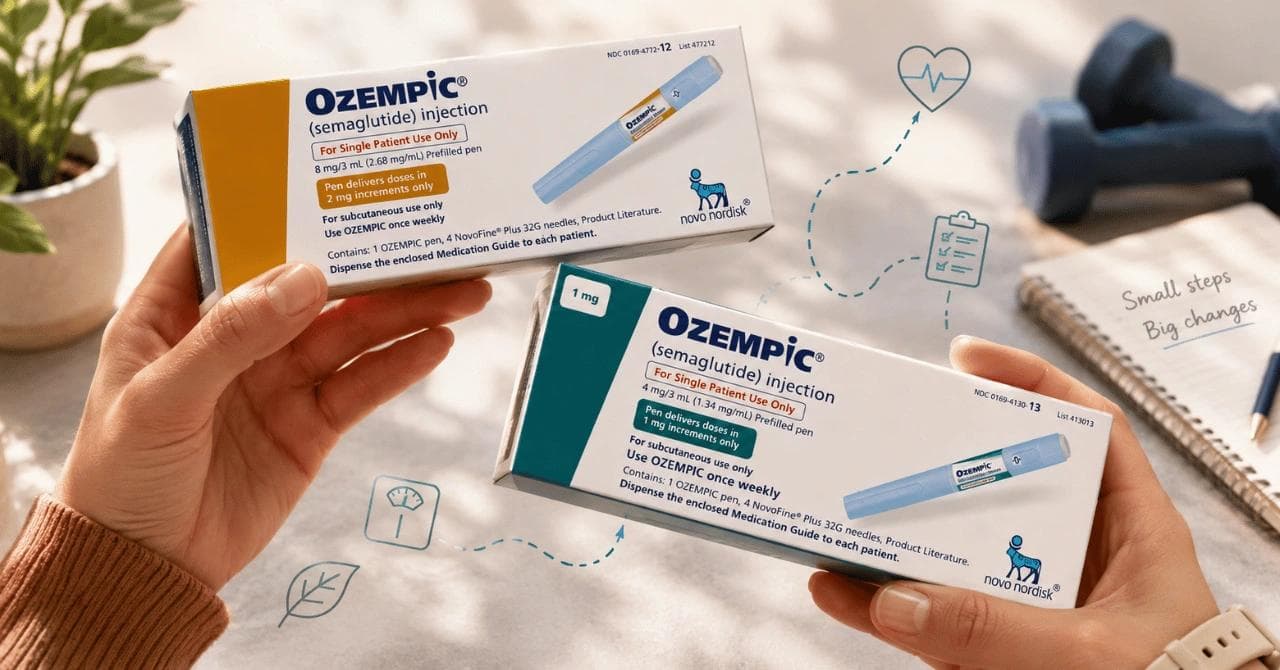
The sticker shock is real. At retail, Ozempic cost without insurance can run around $1,000 per month, depending on pharmacy and dose. That means annual prescription drug costs can become a major business-budget issue for anyone newly without employer benefits.
The picture changes once you explore discount programs. NovoCare currently lists self-pay options starting at $149/month for 1.5 mg, plus $199/month for the first two months for new patients, with pricing noted as limited-time through June 30, 2026.
Dosage matters here. Higher doses mean higher costs. Your pharmacy choice and geographic region can shift the number too. And if you're wondering about Wegovy, the weight-loss formulation of semaglutide, coverage rules differ because Ozempic is FDA-approved for type 2 diabetes and cardiovascular risk reduction, not weight management. That distinction shapes everything about how insurers treat it.
Health Insurance for Self-Employed: ACA Marketplace Essentials
For newly self-employed healthcare seekers, the health insurance marketplace is usually the best starting point. The Ozempic affordable care act route means comparing ACA plans, checking premium tax credits, and confirming whether Ozempic appears on the plan formulary before enrollment.
Plans come in four metal tiers: Bronze, Silver, Gold, and Platinum. Bronze plans carry lower monthly premiums but higher deductibles and out-of-pocket costs when you actually use the medication. Gold and Platinum plans cost more upfront but typically offer better pharmaceutical benefits and lower cost-sharing once you hit your deductible. For someone on a costly GLP-1 agonist like Ozempic, a higher-tier plan often makes financial sense over the course of a year.
Many self-employed individuals also qualify for ACA premium tax credits, also called subsidies, which can significantly reduce monthly premiums based on projected household income, according to Healthcare Insider. Cost-sharing reductions are available on Silver plans for those who qualify. These aren't automatic though. You'll need to estimate your income carefully at enrollment, because underestimating can trigger repayment at tax time.
Off-exchange plans bought directly from insurers are another option. They skip the subsidy eligibility entirely, so they're usually only worth considering if your income is too high for tax credits. Professional association group plans occasionally offer competitive rates too; though formulary coverage varies widely and deserves careful scrutiny before you commit.
Getting Ozempic Covered: FDA Approval, Prior Authorization, and Formularies
Ozempic coverage self-employed patients can actually obtain hinges on one critical fact: what the prescription is for. Ozempic is approved for type 2 diabetes glycemic control, reducing major cardiovascular events in adults with type 2 diabetes and cardiovascular disease, and reducing kidney disease worsening/kidney failure/CV death in adults with type 2 diabetes and CKD. Weight loss is not on that list. Insurers follow that line closely.
Formulary placement is the next hurdle. Even if a plan covers GLP-1 agonists, Ozempic may sit on a higher tier, meaning a larger copay or coinsurance percentage. Before choosing an ACA plan during open enrollment, pull the formulary document and look up Ozempic specifically.
Prior authorization is almost certain. Insurers typically require documentation of your diabetes diagnosis, evidence that you've tried other treatments (a process called step therapy), and a letter of medical necessity from your doctor. Getting this paperwork lined up before your new coverage starts saves weeks of delay. Your physician's office handles most of this, but you need to prompt the conversation early.
If coverage gets denied, appeal it. Insurers are required to provide a written reason for denial, and many initial rejections get overturned when a doctor submits additional clinical documentation. Persistence here is worth the effort given what's at stake financially.
Ozempic Patient Assistance Programs and Pharmacy Savings
Ozempic savings programs can lower out-of-pocket costs for eligible patients, depending on insurance status, income, and program terms.
Novo Nordisk's Ozempic Savings Card is the first place commercially insured patients should look. Eligible patients can pay as little as $25 per month for up to a three-month prescription, according to Healthline. That's a substantial reduction from standard copay amounts on most plans.
For uninsured patients, the Novo Nordisk Patient Assistance Program (PAP) offers Ozempic at no cost if your total household income is at or below 200% of the federal poverty level, according to Novocare. Eligibility rules vary, so patients should confirm current PAP requirements directly through NovoCare.
Prescription discount platforms like GoodRx, SingleCare, and ScriptSave WellRx offer another layer of savings for cash-paying patients. These programs negotiate prices independently of insurance and can bring costs meaningfully below retail. You can also explore medication coupons to stack additional savings on your prescriptions.
Some patients compare licensed Canadian pharmacy pricing, including Polar Bear Meds, as one cash-pay option. Always verify prescription requirements, pharmacy licensing, shipping terms, and total cost before ordering. Telehealth platforms that prescribe semaglutide directly are another route worth researching. Compounded semaglutide exists as well, but the FDA has raised concerns about quality and safety with compounded versions, so that option warrants careful evaluation with your prescribing doctor.
Building Your Transition Plan: From Employee to Self-Employed
Start with your income projection. ACA subsidy eligibility is based on projected annual household income, and getting that estimate right determines whether you qualify for meaningful premium tax credits. Once you have a number, compare ACA plans not just by premium but by whether Ozempic appears on the formulary at a manageable tier.
| Step | What to Check |
|---|---|
| ACA plan | Ozempic formulary status and drug tier |
| Doctor paperwork | Prior authorization and diagnosis documents |
| Savings options | Ozempic savings programs and discount platforms |
| Backup pricing | Licensed Canadian pharmacy cash-pay costs |
| Tax review | Possible tax deductions for eligible premiums |
← Swipe to see more →
Enrollment timing matters too. The ACA open enrollment period runs annually, but a job loss or transition to self-employment qualifies as a special enrollment event, giving you a window to enroll outside the standard period. Don't let that window close without acting.
Before your new coverage kicks in, talk to your doctor about prior authorization. Submitting the paperwork proactively, before your first claim, prevents the gap in medication access that catches many newly self-employed patients off guard. Your doctor may also be able to document your diagnosis in a way that strengthens the authorization case.
Finally, build deductibles and out-of-pocket maximums into your first-year budget. Even with a good ACA plan, your early months may involve higher costs before you hit your deductible. You can also compare licensed Canadian pharmacy pricing as one cash-pay option during a coverage transition. Also, review possible tax deductions, including the self-employed health insurance premium deduction, which may help reduce taxable income if you qualify. Consult a tax professional to confirm your eligibility.
Final Thoughts: Managing Ozempic Costs While Self-Employed
Ozempic self-employed insurance is not about finding one perfect option. It is about making the right decisions in order. Start with the ACA Marketplace, check your subsidy eligibility, and confirm whether Ozempic is listed on the plan formulary before enrolling.
Then compare prior authorization rules, savings programs, discount options, and cash-pay pricing. If coverage is delayed or denied, licensed Canadian pharmacy pricing may be one option to compare. Acting early can help reduce coverage gaps and make your first year of self-employment easier to budget.
Frequently Asked Questions
Without insurance, the average retail price of Ozempic runs $1,000 to $1,200 or more per month, which can exceed $12,000 annually, according to GoodRx. However, self-pay patients accessing discount platforms can find injectable Ozempic for $199 to $499 per month depending on dosage and new-patient status, per WeightWatchers and Healthline. Getting on an ACA plan with Ozempic on formulary can reduce that cost further, especially with premium tax credits reducing your overall insurance spend.
Yes. Marketplace plans cannot reject you, charge more, or refuse covered treatment because of a pre-existing condition. Whether a specific ACA plan covers Ozempic depends on that plan's formulary and whether the prescription is for an FDA-approved indication like type 2 diabetes. Premium tax credits are based on household size and estimated income entered on the Marketplace application.
Eligible commercially insured patients may pay as little as $25 per month through the Ozempic Savings Card, subject to offer terms. Uninsured patients can also check Novo Nordisk’s Patient Assistance Program if they meet income and eligibility rules. Cash-paying patients may compare discount platforms, manufacturer self-pay options, and licensed Canadian pharmacy pricing, including Polar Bear Meds, before choosing the most affordable route.
Disclaimer
This article covers research on Ozempic costs and insurance options for self-employed individuals, but it's not medical or financial advice. Drug coverage rules, program eligibility, and pricing change frequently. Talk to your healthcare provider about your specific treatment needs and consult a licensed insurance broker or financial advisor before making coverage decisions.