Polarbearmeds - Home
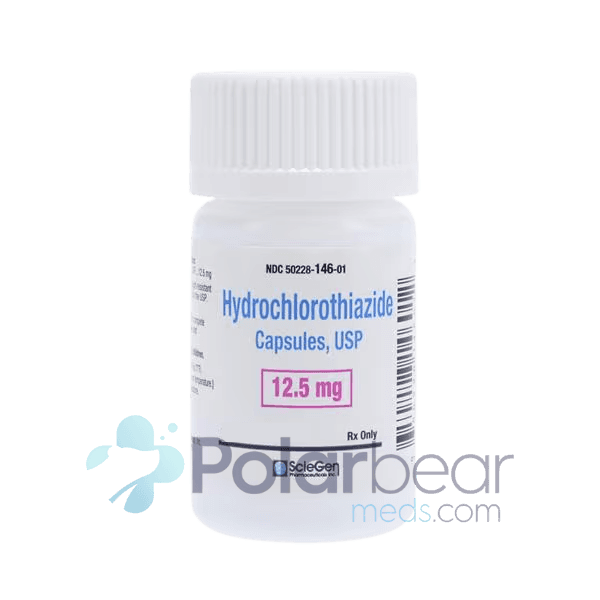
Hydrochlorothiazide - Image 1

Hydrochlorothiazide

No packages found
price-match-guarantee

Price Match Guarantee

We offer competitive pricing on all our medications. Find a lower price? We'll match it from any verified Canadian online pharmacy! Know More

Similar Medications

How to Order

Ordering your medication online is simple and convenient.

STEP 01

Select the prescribed dosage and quantity, then proceed to checkout.

STEP 02

Sign in or create a new account.

STEP 03

Upload your prescription.

STEP 04

Complete your purchase by processing the payment.

Shipping takes approximately 3-5 business days.

5 Star Excellence award from Shopper Approved for collecting at least 100 5 star reviews

Product Details

Description

Description

Hydrochlorothiazide is a thiazide diuretic commonly prescribed to treat high blood pressure and edema. It works by helping the body eliminate excess salt and water, reducing the workload on the heart and decreasing blood pressure. It is available in tablet form with varying strengths, it is suitable for both adults and children. Prescribed dosages are tailored by healthcare providers based on individual needs, ensuring optimal effectiveness while minimizing potential side effects. You can buy Hydrochlorothiazide online from Canada with a valid prescription from your doctor.

Hydrochlorothiazide is a medication belonging to the thiazide diuretic class, designed to treat hypertension and edema—swelling caused by fluid retention in conditions like heart failure, liver damage, and certain kidney issues. This drug helps reduce blood pressure and manage swelling by increasing urine production, which facilitates the removal of excess salt and water from the body.

Available as an oral tablet, hydrochlorothiazide comes in strengths of 12.5 mg, 25 mg, and 50 mg. The dosage your doctor prescribes will depend on your specific health conditions and response to treatment. Initially, adults typically start with a lower dose, which may be adjusted to achieve the desired effect without undue side effects. It's crucial for patients to take hydrochlorothiazide exactly as directed by their healthcare provider.

Regular monitoring of blood pressure and kidney function is necessary to ensure safety and effectiveness. Potential side effects include electrolyte imbalance, dizziness, and light sensitivity, but these are usually manageable under medical supervision. Hydrochlorothiazide's effectiveness and minimal side effect profile make it a staple in managing hypertension and edema, offering significant benefits when used correctly.

Uses and Benefits

Uses and Benefits

  • art disease.
  • This medication is also effective in treating edema, which is swelling caused by the buildup of fluid in the body. This condition can arise from various health issues such as:
    • Heart Failure: When the heart is unable to pump blood effectively, leading to fluid retention.
    • Cirrhosis: Liver damage that impairs liver function and causes fluid to accumulate.
    • Kidney Problems: Issues with kidney function can also lead to fluid retention.

Use of Certain Medications: Such as corticosteroids or estrogens, which can cause fluid buildup.

Dosage

Dosage

What Are the Forms & Strengths of Hydrochlorothiazide?

This medication comes in the form of an oral tablet and has these three following strengths:

  • Hydrochlorothiazide 12.5 mg tablet
  • Hydrochlorothiazide 25 mg tablet
  • Hydrochlorothiazide 50 mg tablet

What Is the Typical Dosage of Hydrochlorothiazide?

The appropriate dosage of hydrochlorothiazide for you will vary based on several personal health factors. Initially, your doctor will likely prescribe a low dose of the medication and then adjust it based on how your body responds. The goal is to find the smallest effective dose that achieves the desired results. It's important to follow the specific dosage your doctor prescribes for you. They will tailor the dose to best fit your health needs after considering factors like the condition being treated and your overall health.

Dosage for Edema

  • Adults (ages 18 to 64 years):
    • Typical Dosage: The usual dose ranges from 25 mg to 100 mg per day. This can be taken as a single dose or divided into smaller doses throughout the day.
    • Intermittent Therapy: Instead of taking hydrochlorothiazide daily, your doctor may recommend taking it every other day or three to five times a week. This approach helps reduce the risk of electrolyte imbalances.
  • Children (ages 12 to 17 years): The specific dosage for teenagers in this age group isn't detailed in the medication guidelines. If your teen needs this medication, please consult their doctor for the appropriate dosage.
  • Children (ages 2 to 11 years):
    • Typical Dosage: Generally, the dosage is 0.5 mg to 1 mg per pound of body weight per day. This amount can be given in one dose or split into two doses throughout the day.
    • Maximum Daily Dosage: Do not exceed 100 mg per day.
  • Infants (under 2 years old):
    • Typical Dosage: Dosage for infants is also 0.5 mg to 1 mg per pound of body weight per day. For infants under 6 months, the dosage can be up to 1.5 mg per pound, typically given in two doses.
    • Maximum Daily Dosage: The maximum for infants is 37.5 mg per day.
  • Older Adults (ages 65 and older): There are no specific dosing guidelines for seniors. However, because older adults may process medications more slowly, standard adult dosages might lead to higher levels of the drug in the body. If you're in this age group, you might need a lower dosage or a different dosing schedule.

Dosage for High Blood Pressure

  • Adults (ages 18 to 64 years):
    • Starting Dosage: Typically, you'll start at 25 mg taken orally once a day.
    • Dosage Increases: If your blood pressure doesn't decrease, your doctor might increase your dose to 50 mg per day. This can be taken all at once or split into two doses throughout the day.
  • Children (ages 12 to 17 years): The specific dosage for teens in this age range isn't detailed in the medication guidelines. It's best to consult with a pediatrician to determine the appropriate dose for your teenager.
  • Children (ages 2 to 11 years):
    • Typical Dosage: The dose ranges from 0.5 mg to 1 mg per pound of the child’s body weight per day. This amount can be given all at once or divided into two doses.
    • Maximum Daily Dosage: No more than 100 mg per day.
  • Infants (under 2 years old):
    • Typical Dosage: The dose is also 0.5 mg to 1 mg per pound of body weight each day. For infants under 6 months old, the dose can go up to 1.5 mg per pound, split into two doses throughout the day.
    • Maximum Daily Dosage: For infants, the maximum is 37.5 mg per day.
  • Older Adults (ages 65 years and older): There aren't specific dosing guidelines for older adults. However, because older individuals can metabolize drugs more slowly, a regular adult dose might be too high, which could lead to higher than recommended drug levels in the body. Older adults might need a reduced dose or a different dosing schedule to safely manage blood pressure without adverse effects.

[Note: Remember, these recommendations may vary from person to person. Discuss it with your doctor, and they'll customize your dosage accordingly.]


Usage Guide

Usage Guide

Hydrochlorothiazide is a medication primarily used to treat high blood pressure and fluid retention. Here’s how to use it properly to ensure the best results and safety:

  • Follow Doctor’s Instructions: Always take hydrochlorothiazide exactly as your doctor prescribes. Carefully read and follow all the directions on your prescription label and any medication guides or instruction sheets provided. Remember, your doctor may sometimes adjust your dosage.
  • Monitor for Dehydration: If you experience ongoing vomiting, diarrhea, or excessive sweating, contact your doctor. These conditions can cause dehydration when taking hydrochlorothiazide, leading to very low blood pressure or a critical electrolyte imbalance.
  • Regular Check-Ups: You'll need to have your blood pressure checked regularly to see how the medication is working. If you are dehydrated or have been vomiting, your doctor might also test your blood and urine.
  • Precautions for Surgery: If you are scheduled for surgery, inform your surgeon that you are using hydrochlorothiazide. You might need to stop taking it temporarily.
  • Continued Use: Keep taking hydrochlorothiazide as directed by your doctor, even if you feel fine. High blood pressure often doesn’t have noticeable symptoms, but it's crucial to continue treatment to maintain your health.
  • Long-Term Use: Be prepared to use blood pressure medication possibly for the rest of your life, as high blood pressure can be a lifelong condition requiring ongoing management.

[Note: Your doctor will decide the right amount for you based on your condition, following guidelines and studies on the drug. They'll adjust it as needed over time.]


How It Works

How It Works

Hydrochlorothiazide is part of a group of medications known as thiazide diuretics, commonly referred to as water pills. These medications have a similar way of working and are often used to treat similar health issues. While the exact mechanism of hydrochlorothiazide isn't fully understood, it's believed to help your body get rid of extra salt and water. This process eases the workload on your heart by reducing the effort it needs to pump blood. As a result, it helps lower blood pressure and decrease swelling. This makes hydrochlorothiazide a useful treatment for conditions like high blood pressure and fluid retention.

Side Effects

Side Effects

What Are the Side Effects of Hydrochlorothiazide?

Hydrochlorothiazide, like any medication, can lead to side effects that range from mild to severe. Some of the main side effects you might experience while taking this drug are listed here, but this isn't a complete list. If you encounter any side effects, or if they become bothersome, it's important to discuss them with your doctor or pharmacist. For a more comprehensive understanding of what you might expect and advice tailored to your specific situation, don't hesitate to contact your healthcare provider.

Common Side Effects of Hydrochlorothiazide: Hydrochlorothiazide is a medication often used to treat high blood pressure and fluid retention. While it can be very effective, it may cause some side effects that are usually temporary, typically lasting a few days to weeks. However, if these side effects don't go away, become bothersome, or intensify, it's important to talk to your doctor or pharmacist. Here are some common side effects you might experience while taking Hydrochlorothiazide:

  • Lower than usual blood pressure: You might notice this especially when you stand up quickly after sitting or lying down, which can make you feel dizzy or lightheaded.
  • Dizziness: Feeling unsteady or like you might faint is a possible side effect.
  • Headache: You may experience mild to severe headaches.
  • Weakness: General feelings of tiredness or fatigue can occur.
  • Erectile dysfunction: Some men might find it difficult to achieve or maintain an erection.
  • Tingling sensations: You might feel tingling in your hands, legs, and feet, which can be a bit unnerving.
  • Photosensitivity: Your skin may become more sensitive to sunlight, making you more prone to sunburn.
  • Muscle spasms: Unexpected muscle cramps or spasms can happen.
  • Diarrhea: You may have loose, watery stools.

Serious Side Effects of Hydrochlorothiazide: It’s crucial to recognize serious effects early and get medical help right away if they occur. If any side effects seem life-threatening, or if you think you're experiencing a medical emergency, immediately call 911 or contact your local emergency services. Here are some serious side effects to watch for:

  • Severe skin reactions: Conditions like Stevens-Johnson syndrome and exfoliative dermatitis can occur, showing up as:
    • Painful skin rashes.
    • Skin peeling and blisters.
    • Fever and mouth sores.
  • Kidney failure: This is a critical condition where your kidneys stop working properly, signs include:
    • General weakness and fatigue.
    • Difficulty breathing or feeling short of breath.
    • Confusion or trouble concentrating.
    • An abnormal heartbeat or chest pain.
    • Producing less urine than usual or having increased swelling in your legs, ankles, or feet.
  • Blurred vision: If you experience this along with:
    • Eye pain or trouble seeing,
    • These could be signs of a severe problem needing immediate attention.
  • Pancreatitis (inflammation of the pancreas): This can be very painful and symptoms include:
    • An upset stomach or nausea.
    • Vomiting.
    • Intense pain in your abdomen or back.

These side effects are rare but serious. If you notice any of these symptoms, contact your doctor immediately. Regular check-ups can help monitor your health and ensure that any potential issues are addressed quickly.

[Note: Remember, this list may not cover all possible side effects. Always consult with your healthcare giver for medical advice about side effects.]


Warnings

Warnings

Are There Any Warnings for Hydrochlorothiazide?

Hydrochlorothiazide comes with important safety warnings that you need to be aware of before starting treatment:

  • Anuria Warning: If you suffer from anuria, where your kidneys fail to produce urine often due to kidney disease, hydrochlorothiazide isn't suitable for you. Your doctor will suggest other treatments that are safer given your condition.
  • Fluid and Electrolyte Imbalance Warning: While taking hydrochlorothiazide, your doctor will monitor your fluid and electrolyte levels closely because this drug can disrupt those balances. Signs of an imbalance include dry mouth, excessive thirst, weakness, fatigue, restlessness, confusion, seizures, muscle pain or cramps, unusual muscle fatigue, low blood pressure, fast heart rate, reduced urine output, and nausea or vomiting.
  • Vision Problems Warning: There's a risk of blurred vision or even glaucoma shortly after starting hydrochlorothiazide. If you experience eye pain or vision issues, tell your doctor immediately. Though blurred vision might clear up after stopping the medication, other vision issues can cause permanent damage if not treated promptly.
  • Sulfonamide Allergy Warning: If you're allergic to sulfonamide medications, hydrochlorothiazide is not safe for you. Ensure your doctor is aware of any drug allergies you have to avoid this risk.
  • Allergy Warning: This medication can cause severe allergic reactions. Mild symptoms might include a rash, while serious reactions can involve trouble breathing, swelling of the throat or tongue, or hives. Mild symptoms should be reported to your doctor immediately for management advice, whereas severe symptoms are medical emergencies requiring urgent care. If you've ever had a severe allergic reaction to hydrochlorothiazide, it's crucial not to take it again, as this could be life-threatening.
  • Alcohol Warning: Drinking alcohol while on hydrochlorothiazide can significantly lower your blood pressure, especially when you get up from a lying or sitting position, making you feel dizzy or lightheaded. Discuss with your doctor the appropriate amount of alcohol you can consume, if any, during your treatment with hydrochlorothiazide.

Warnings for People with Certain Health Conditions

  • For those with kidney problems: If you have reduced kidney function, be cautious with hydrochlorothiazide. This medication is eliminated from your body through your kidneys, and poor kidney function can lead to the drug accumulating in your system, potentially increasing side effects. Your doctor may decide to halt your medication if your kidney health declines.
  • For those with reduced urine output: If your kidneys struggle to produce enough urine, hydrochlorothiazide might not be right for you. This medication can lead to loss of fluids and electrolytes, which could further reduce your urine production.
  • For those with liver issues: If you have liver problems, you should also be careful with hydrochlorothiazide. It can disrupt your body's balance of fluids and electrolytes, worsening liver function.
  • For those with lupus: If you have lupus, this drug might trigger a flare-up. Make sure to discuss the risks with your doctor before starting hydrochlorothiazide.

Warnings for Certain Groups

  • For pregnant individuals: If you are pregnant or planning to become pregnant, consult your doctor. Animal studies haven't shown any harm to the fetus with hydrochlorothiazide use, but human studies are limited. This drug should only be used during pregnancy if the benefits outweigh the risks.
  • For breastfeeding individuals: Hydrochlorothiazide can pass into breast milk and might cause side effects in a breastfeeding infant. Discuss with your doctor whether you should continue breastfeeding or stop taking the medication.

For older adults: If you're an older adult, you may metabolize drugs more slowly, leading to higher levels of hydrochlorothiazide in your body than is ideal. Your doctor might adjust your dosage or dosing schedule to accommodate this.

Safety Guide

Safety Guide

Here are some important precautions you should take if you're considering or currently using hydrochlorothiazide:

  • Who should not use it: Do not use hydrochlorothiazide if you are unable to urinate.
  • Before you start: Inform your doctor if you have any of the following conditions: liver disease, kidney disease, glaucoma, asthma, allergies, gout, diabetes, or allergies to sulfa drugs or penicillin. Knowing your medical history helps your doctor decide if hydrochlorothiazide is safe for you.
  • Alcohol: Drinking alcohol can increase certain side effects of this medication. It's best to avoid it.
  • During exercise and hot weather: Be careful not to become overheated or dehydrated. Follow your doctor’s guidance on how much fluid you should drink. Sometimes, drinking too much can be just as harmful as not drinking enough.

Medication interactions: Hydrochlorothiazide can interact with many other drugs. Always tell your doctor about all the medications you are taking, including prescription, over-the-counter, vitamin, and herbal products. Starting a new medication without your doctor's approval can be risky. Keep a list of all your medications and show it to any healthcare provider who treats you.

Missed Dose

Missed Dose

For hydrochlorothiazide to be effective, it must be present in your body in the right amounts at all times. If you miss a dose, here's what you should do:

  • If you remember soon after your scheduled time: Take the missed dose as soon as you remember.
  • If it's close to the time for your next dose: Skip the missed dose and resume your usual dosing schedule. Don't double up on doses to make up for the one you missed, as this could lead to side effects.

[Note: If you have missed a dose of your medication and are unsure about when to take the next one, immediately consult your doctor or pharmacist.]


Overdose

Overdose

Taking too much hydrochlorothiazide can be dangerous:

  • Symptoms of overdose: You may experience symptoms like severe dizziness, feeling faint, or excessively low blood pressure.
  • Immediate steps: Contact your doctor or reach out to America’s Poison Centers at 800-222-1222 for advice, or use their online tool.
  • In severe cases: If your symptoms feel life-threatening, call 911 or head to the nearest emergency room immediately.

[Note: If you consumed more than the recommended dose, get medical help right away, or call the Poison Help line at 1-800-222-1222.]


Storage Guide

Storage Guide

To ensure that hydrochlorothiazide remains effective and safe to use, it's important to store it correctly:

  • Temperature: Keep hydrochlorothiazide at room temperature, ideally between 68°F and 77°F (20°C to 25°C).
  • Light exposure: Store the medication in a place where it will not be exposed to direct light.
  • Humidity: Avoid storing it in areas that are prone to moisture, such as bathrooms.

[Note: Discuss with your healthcare professional about the proper disposal of any unused medicine and any questions you may have regarding its storage.]

Interactions

Interactions

Hydrochlorothiazide can interact with a variety of other medications, which might affect how well it works or increase your risk of side effects. These interactions can vary greatly, depending on the specific medications involved. It's important to provide your doctor and pharmacist with a complete list of all the medications you're taking—this includes prescription drugs, over-the-counter products, and any vitamins, herbs, or supplements. By sharing this information, you can help prevent potentially harmful interactions. If you're unsure about how hydrochlorothiazide might interact with other drugs you're taking, don't hesitate to ask your healthcare provider for more detailed advice. They can guide you on how to safely manage your medications.

  • Barbiturates: Drugs like phenobarbital and pentobarbital may cause your blood pressure to drop too low when taken with hydrochlorothiazide, leading to dizziness when standing up.
  • Lithium: Avoid combining lithium with hydrochlorothiazide because it reduces the rate at which lithium is cleared from your body, potentially leading to harmful side effects due to high lithium levels.
  • Blood Pressure Medications: Using hydrochlorothiazide with other medications that lower blood pressure, such as ACE inhibitors (e.g., lisinopril, enalapril), ARBs (e.g., losartan, valsartan), beta-blockers (e.g., atenolol, metoprolol), and calcium channel blockers (e.g., amlodipine, verapamil), can cause an excessive drop in blood pressure.
  • Cholesterol-Lowering Drugs: Drugs like cholestyramine and colestipol may make hydrochlorothiazide less effective.
  • Corticosteroids: Combining corticosteroids like prednisone and methylprednisolone with hydrochlorothiazide can further lower your electrolyte levels, particularly potassium, which is crucial for muscle function and other body processes.
  • Diabetes Medications: Since hydrochlorothiazide can raise blood sugar levels, your diabetes medication doses might need adjustment when used together. This includes insulin and oral drugs like metformin and sitagliptin.
  • Narcotics: Pain medications like morphine and codeine can intensify the blood pressure-lowering effects of hydrochlorothiazide, possibly leading to dizziness.
  • NSAIDs: Nonsteroidal anti-inflammatory drugs such as ibuprofen and naproxen may decrease the effectiveness of hydrochlorothiazide in treating blood pressure and edema.

What Are the Other Hydrochlorothiazide Interactions?

Hydrochlorothiazide, a common diuretic used to treat high blood pressure and edema, can interact with certain foods and beverages, which may affect how well it works or increase side effects.

  • Licorice Interaction: While licorice is commonly used as a flavoring in foods and drinks, it can raise blood pressure and reduce potassium levels in your body when consumed in large amounts or over a long period. This effect can be particularly risky if you already have conditions like high blood pressure, heart disease, or kidney problems. Since hydrochlorothiazide also lowers potassium levels, eating too much licorice can enhance this effect. If you enjoy licorice, discuss it with your doctor to ensure safe consumption and to monitor for potential issues like hypokalemia (low potassium).
  • Alcohol Interaction: Drinking alcohol while taking hydrochlorothiazide can lead to increased side effects. Alcohol lowers your nervous system activity and can cause symptoms like unsteady walking and impaired coordination. Moreover, it can further lower your blood pressure, which might be exacerbated by the blood pressure-lowering effects of hydrochlorothiazide. Additionally, alcohol can dehydrate you and disrupt your electrolyte balance, which are already concerns when taking diuretics like hydrochlorothiazide. If you consume alcohol, it's important to discuss with your healthcare provider how much, if any, is safe for you while on this medication.

By being aware of these interactions, you can avoid potential complications and ensure your treatment with hydrochlorothiazide is both safe and effective. Always communicate openly with your healthcare team about your diet and lifestyle to receive tailored advice and care.

[Note: This isn't a complete list, and there could be other drugs that interact with Hydrochlorothiazide. Make sure to tell your doctor about any prescription, over-the-counter medicines, and herbal products you’re taking.]

Alternatives

Alternatives

Hydrochlorothiazide might not be effective for everyone, and there are various alternatives available. Some of these alternatives include ACE inhibitors, calcium channel blockers like, and other diuretics. Each of these medications works differently and comes with its own set of potential side effects. If you're thinking about switching medications, it’s essential to consult with your healthcare provider. They can help you choose a treatment that fits well with your health needs and medical history, ensuring the best possible outcome for your condition. Below are the alternatives to Hydrochlorothiazide:

  • Inderal LA (extended release propranolol)
  • Tekturna HCT (HCTZ/aliskiren)
  • Lotensin HCT (HCTZ/benazepril)
  • Tribenzor (amlodipine/HCTZ/olmesartan)
  • Micardis HCT (HCTZ/telmisartan)
  • Hydralazine
  • Ziac (bisoprolol/HCTZ)
  • Cardizem CD (diltiazem extended release)
  • Exforge (amlodipine/valsartan)
  • Avalide (HCTZ/irbesartan)
  • Soaanz (torsemide)
  • Bumetanide
  • Perindopril
  • Vasotec (enalapril)
  • Micardis (telmisartan)
  • Tekturna (aliskiren)
  • Diovan HCT (HCTZ/valsartan)
  • Accupril (quinapril)
  • Coreg (carvedilol)
  • Felodipine XR
  • Norvasc (amlodipine)
  • Cardura (doxazosin)
  • Accuretic (HCTZ/quinapril)
  • Twynsta (amlodipine/telmisartan)
  • Zestril (lisinopril)
  • Cozaar (losartan)
  • Trandate (labetalol)
  • Methyldopa
  • Lotrel (combination amlodipine/benazepril)
  • Isradipine
  • Coreg CR (extended release carvedilol)
  • Altace (ramipril)
  • Bystolic (nebivolol)
  • Tenormin (atenolol)
  • Benicar HCT (HCTZ/olmesartan)
  • Tenoretic (atenolol/HCTZ)
  • Avapro (irbesartan)
  • Capozide (HCTZ/captopril)
  • Exforge HCT (amlodipine/HCTZ/valsartan)
  • Inspra (eplerenone)
  • Maxide (triamterene/HCTZ)
  • Zestoretic (combination lisinopril/hydrochlorothiazide)
  • HCTZ/fosinapril
  • Diovan (valsartan)
  • Lasix (furosemide)
  • Catapres (clonidine)
  • Catapres TTS (clonidine patch)
  • Bumetanide
  • Lotensin (benazepril)
  • Atacand (HCTZ/candesartan)
  • Benicar (olmesartan)
  • Atacand (candesartan)
  • Fosinapril
  • Hydralazine
  • Aldactone (spironolactone)
  • Lopressor (metoprolol)
  • Hyzaar (HCTZ/losartan)
  • Terazosin
  • Captopril
  • Nifedical XL (extended release nifedipine)
  • Chlorthalidone

[Note: Your doctor will choose what’s best for you. Don’t use any of these alternative medications without consulting your healthcare provider. Taking them by yourself may cause serious side effects.]


Cost & Coupons

Cost & Coupons

Hydrochlorothiazide, commonly prescribed for high blood pressure, can be prohibitively expensive in the U.S. market. Polar Bear Meds addresses this issue by offering Hydrochlorothiazide at substantially reduced prices, directly supporting U.S. residents in managing their healthcare costs effectively. When you buy Hydrochlorothiazide online with coupon code “WELCOMEPB10,” you'll receive an extra 10% off your first purchase. Additionally, participate in our referral program to potentially save up to $200 on your overall medication expenses. Rely on Polar Bear Meds for affordable access to Hydrochlorothiazide, helping you maintain your health without financial strain.

FAQ

FAQ

Guarantee

Guarantee

AtPolarBearMeds.com, we assure you the most affordable price to buy Hydrochlorothiazide online from Canada. Rest easy knowing that your order will be dispatched from a reputable Licensed Canada Pharmacy Online, adhering to the highest standards of quality and authenticity. Our discounted medications are shipped directly from Canada to your doorstep, ensuring a swift and secure delivery experience. To conveniently buy Hydrochlorothiazide online to treat high blood pressure at a substantial cost, call us at 1-888-779-2193 toll-free.

Important Notice

Important Notice

The content provided on the Polar Bear Meds website serves to increase knowledge about healthcare products and medical conditions and is strictly for informational purposes. It should not replace professional medical advice. We urge you to consult with a qualified healthcare professional prior to utilizing any prescription or over-the-counter medication. Our platform grants access to an extensive array of products, sourced internationally, including Canada. We collaborates with a licensed pharmacy partner in Canada and trusted dispensing pharmacies globally. All affiliated fulfillment centers are accredited by the regulatory authorities of their respective countries.

Dr. Jackson Miller

Medically Reviewed by Dr. Jackson Miller (M.D)

Dr. Jackson Miller is a board-certified medicine physician & hospitalist. He is a healthcare professional with a strong background in patient care. With years of experience and a patient-first approach, he believes the foundation of good health is a patient who feels informed and empowered. He contributes to medical content review, drawing on his background in clinical practice and patient education. He focuses on presenting health information in a clear, accurate, and accessible way to help readers make informed decisions. His work emphasizes clarity, evidence-based guidance, and understandable explanations of medical topics.

Find Dr. Jackson Miller on:LinkedIn

Learn more about Hydrochlorothiazide and related topics

Price matching guarantee certificate

We offer competitive pricing on all our medications. We'll match if you find a lower price on an identical product at a verified Canadian online pharmacy!

Eligibility Criteria:

  • The competitor's price must be active (no past/future sales).
  • It is only valid for Canadian online pharmacies with a verifiable address.
  • The product must match the strength, pack size, quantity, manufacturer & origin.
  • There are no price matches on used/expired medications.
  • You must submit your requests before placing an order.
  • We cannot adjust prices after purchase.
  • Request via live chat or phone before placing your order.

Need help? Call our friendly support team at 1-888-779-2193 or fill out the Contact Form