
Polarbearmeds - Home
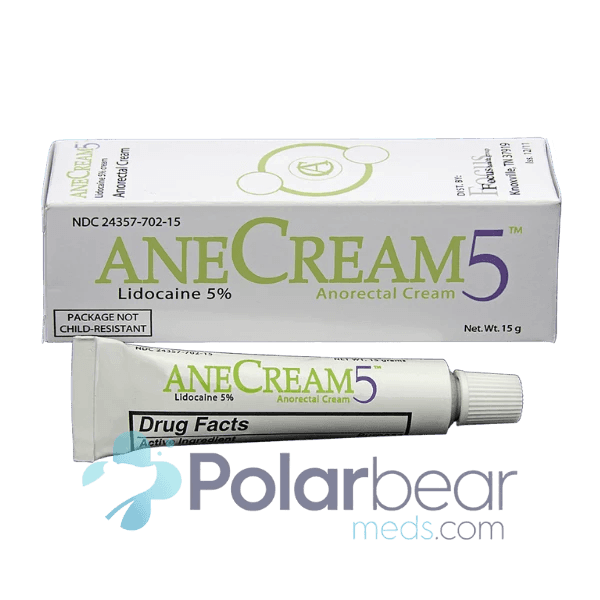
Lidocaine Ointment - Image 1

Lidocaine Ointment

No packages found
price-match-guarantee

Price Match Guarantee

We offer competitive pricing on all our medications. Find a lower price? We'll match it from any verified Canadian online pharmacy! Know More

Similar Medications

How to Order

Ordering your medication online is simple and convenient.

STEP 01

Select the prescribed dosage and quantity, then proceed to checkout.

STEP 02

Sign in or create a new account.

STEP 03

Upload your prescription.

STEP 04

Complete your purchase by processing the payment.

Shipping takes approximately 3-5 business days.

5 Star Excellence award from Shopper Approved for collecting at least 100 5 star reviews

Product Details

Description

Description

Lidocaine is an FDA-approved local anesthetic and antiarrhythmic medication used to numb tissues for pain relief during minor surgeries and dental work and to manage irregular heartbeats. It contains lidocaine hydrochloride and works by blocking nerve signals. Available in various strengths and forms, including infusion solutions, injectable solutions, topical gels, creams, patches, and oral solutions, lidocaine is suitable for adults and children (with dosage adjustments). Common side effects include numbness, mild skin irritation, dizziness, and drowsiness. Serious side effects like irregular heartbeats and seizures require immediate medical attention. Use with caution if allergic to lidocaine or similar anesthetics. Store at room temperature, protected from sunlight & moisture, and keep out of children’s reach. Always follow your healthcare provider’s instructions and read the patient information leaflet.

Lidocaine is a mainly used local anesthetic and antiarrhythmic medication containing the active ingredient lidocaine hydrochloride. This FDA-approved drug is primarily used to numb tissues in a specific area, alleviating pain during minor surgeries, dental work, and various diagnostic tests. Additionally, it is employed to manage irregular heartbeats by stabilizing the heart’s electrical activity. Lidocaine functions by blocking sodium channels in nerve cells, preventing the transmission of pain signals and thus offering effective pain relief.

Lidocaine is available in various strengths and forms, including infusion solutions in D5W (100 mg per 100 mL, 200 mg per 100 mL, 400 mg per 100 mL, 800 mg per 100 mL) and injectable solutions (10 mg per 100 mL, 20 mg per 100 mL). For topical use, it comes as a gel or cream (4-5%), a patch (5%), and an oral solution (2%). Adults can apply a thin layer of topical gel/cream up to 3-4 times daily, use 1-3 patches for up to 12 hours within 24 hours, or swish and spit the oral solution up to four times daily. Children over three years can use lidocaine, but the dosage is usually based on weight and determined by a healthcare provider. Elderly patients and those with health problems in the liver or kidney may require lower doses.

Common side effects of lidocaine include numbness, mild skin irritation, dizziness, and drowsiness. Serious adverse effects such as irregular heartbeats, seizures, and respiratory issues warrant immediate medical attention. Precautions include avoiding excessive use, especially on broken skin, and not using lidocaine if allergic to it or similar anesthetics. In case of a missed dose, apply it as soon as remembered, but do not double up. Overdose symptoms include uneven heartbeats, seizures, and respiratory failure, requiring urgent medical care. Store lidocaine at room temperature, away from direct sunlight & moisture, and keep it out of reach of children. Always follow your doctor’s instructions and read the patient information leaflet thoroughly.

Uses and Benefits

Uses and Benefits

  • Pain
  • Anesthesia
  • Postherpetic Neuralgia
Dosage

Dosage

Lidocaine Dosage

Infusion solutions in D5W:

  • 100 mg per 100 mL
  • 200 mg per 100 mL
  • 400 mg per 100 mL
  • 800 mg per 100 mL

Injectable solution:

  • 10 mg per 100 mL
  • 20 mg per 100 mL

Recommended Dosage of Lidocaine for Different Patients

Adults:

  • Topical gel/cream (4-5%): Apply a thin layer up to 3-4 times daily
  • Patch (5%): Apply 1-3 patches for up to 12 hours within 24 hours
  • Oral solution (2%): 15 ml swish and spit out up to 4 times daily

Children (over 3 years):

  • Dosage is typically based on weight and determined by a doctor
  • Often use lower concentrations or smaller amounts than adults

Elderly:

  • May require lower doses due to decreased metabolism
  • Dosage adjusted based on kidney and liver function

Patients with liver/kidney disease:

  • Dose reduction may be necessary
  • Closely monitored by a healthcare provider

Pregnancy/breastfeeding:

  • Used only when clearly needed
  • Consult healthcare provider for appropriate dosing

For specific medical procedures:

  • Dosage determined by the healthcare expert based on procedure and patient factors

[Note: Keep in mind that these recommendations might differ for each individual. Talk to your medical professional, and they will tailor your dosage based on your needs.]

Usage Guide

Usage Guide

Topical gel/cream/ointment:

  • Clean and dry the affected area
  • Apply a thin layer to the skin
  • Do not cover with a bandage unless directed
  • Wash hands after application

Patch:

  • Clean and dry the skin area
  • Apply the patch to intact skin
  • Remove after the prescribed time (usually 12 hours)
  • Apply to a different skin area each time

Oral solution (for mouth/throat pain):

  • Swish and spit; do not swallow
  • Use as directed, typically every 3 hours

Injectable:

  • Administered by healthcare professionals only

[Note: Your doctor will determine the appropriate dosage for you as per your condition, following guidelines and studies on the drug. They will adjust it as needed over time.]

How It Works

How It Works

Lidocaine is a local anesthetic that functions by stopping nerve signals in the body. When used on the skin or mucous membranes, it blocks the signals along nerves, temporarily numbing the area and lessening feelings of pain or discomfort. This effect occurs because Lidocaine stops sodium from entering the nerve endings where it’s applied, which stops the nerves from relaying pain signals to the brain.

Side Effects

Side Effects

Common side effects of Lidocaine may include:

  • Numbness or tingling at the application site
  • Mild skin irritation or redness
  • Slight burning or stinging sensation
  • Itching
  • Swelling
  • Dizziness
  • Drowsiness
  • Headache
  • Nausea
  • Vomiting
  • Blurred or double vision
  • Ringing in the ears (tinnitus)
  • Metallic taste in the mouth
  • Muscle twitching
  • Tremors

Adverse/Serious side effects of Lidocaine may consist of:

  • Swelling of face, lips, tongue, or throat
  • Difficulty breathing
  • Hives or severe rash
  • Irregular heartbeat or arrhythmias
  • Low blood pressure
  • Cardiac arrest (in extreme cases)
  • Seizures
  • Loss of consciousness
  • Confusion or disorientation
  • Slowed or difficult breathing
  • Bluish color of skin, lips, or nail beds
  • Shortness of breath
  • Fatigue
  • Severe dizziness or lightheadedness
  • Persistent numbness or tingling
  • Vision changes or eye irritation (if applied near eyes)
  • Severe headache
  • Uncontrollable shaking or tremors
  • Anxiety or restlessness
  • Ringing in the ears that doesn’t subside
  • Chest pain or tightness
  • Unusual bruising or bleeding

[Note: Remember, this list might not include all possible side effects. Always talk to your healthcare expert for medical advice about side effects.]

Warnings

Warnings

  • Brain, Heart, and Lung Issues: Lidocaine may slow or completely stop your breathing. It can also result in low blood pressure, a slow heart rate, and a condition where your heart can’t pump effectively. Therefore, while using lidocaine (Xylocaine) for local anesthesia, your healthcare provider will monitor your heart and breathing to ensure you don’t have an adverse reaction. If you notice symptoms such as restlessness, drowsiness, anxiety, dizziness, ringing in your ears, blurred vision, or tremors, alert your healthcare provider right away. These could be initial indicators of brain complications caused by Lidocaine .
  • Severe Allergic Reactions: Although rare, lidocaine can trigger severe allergic reactions, which might be life-threatening. You are at a higher risk if you have previously had allergic reactions to medications containing lidocaine, similar local anesthetics, or methylparaben (a preservative). Always inform your provider about your allergy history before receiving an injection. Your provider may opt for a different, safer anesthetic, depending on your allergy history. They will also watch for any severe allergic reactions during and after the procedure. Alert a healthcare provider immediately if you experience itching, swelling, wheezing, difficulty breathing, or a rash.
  • Blood Disorder (Methemoglobinemia): Lidocaine can lead to methemoglobinemia, a severe blood condition in which your red blood cells cannot carry sufficient oxygen to your body. This risk increases if you have a low G6PD level, a hereditary condition that causes your red blood cells to break down. Exercise caution with lidocaine if exposed to oxidizing chemicals such as chlorine or hydrogen peroxide, commonly found in household products like cleaners and hair dye. Methemoglobinemia can develop immediately or hours after using Lidocaine. Early signs include headaches, fatigue, and blue skin. Notify your provider immediately if you notice these symptoms during treatment to prevent more severe and potentially fatal side effects such as seizures, loss of consciousness, and heart rhythm issues (fast heartbeat, dizziness, shortness of breath).

Lidocaine Boxed Warning

Boxed Warning: Lidocaine can cause methemoglobinemia, a serious blood condition that reduces oxygen delivery to tissues. Risk increases with certain medical conditions, concomitant oxidizing drugs, and in infants. Monitor patients for signs of methemoglobinemia (cyanosis, headache, fatigue, shortness of breath). If suspected, discontinue lidocaine, administer oxygen, and treat appropriately. Practice caution in patients with severe hepatic or cardiac disease. Avoid in patients with methemoglobinemia-inducing conditions.

Safety Guide

Safety Guide

  • Before you use lidocaine, inform your doctor or pharmacist if you have allergies to lidocaine, other amide-type anesthetics (such as bupivacaine, prilocaine), or any other substances. Inactive ingredients in this product may also trigger allergic reactions or other complications. It’s important to discuss these details with your pharmacist for more information.
  • Before taking this medication, tell your healthcare expert about your medical history, particularly if you have broken skin, an infection where the medicine will be applied, heart disease, liver disease, or methemoglobinemia.
  • If you have an MRI test scheduled, inform the testing personnel that you are using lidocaine. Specific formulations may contain metals that could cause severe burns during the scan and should not be applied before imaging. Consult your healthcare expert or pharmacist for guidance on the specific brand you are using.
  • Before undergoing surgery, inform your medical expert or dentist about all medications you use, including prescription drugs, over-the-counter medications, and herbal products.
  • Children may experience heightened sensitivity to the side effects of this medication.
  • Only use this medication during pregnancy if it’s absolutely necessary. Discuss the potential risks & benefits with your doctor.
  • Lidocaine can pass into breast milk, but it is unlikely to harm a nursing infant. Consult your medical expert before breastfeeding while using this medication.
Contraindications

Contraindications

  • Hypersensitivity: Avoid lidocaine or other amide-type local anesthetics if you have a known hypersensitivity or allergy to these medications.
  • Cardiac Conditions: Do not use lidocaine if you have Adams-Stokes syndrome, severe sinoatrial (SA) or atrioventricular (AV) heart block without a pacemaker, congestive heart failure (CHF), cardiogenic shock, or certain types of heart block like second or third-degree AV block without a pacemaker, or Wolff-Parkinson-White Syndrome.
Missed Dose

Missed Dose

If you realize you’ve missed an application, there’s no need to worry. Simply skip that dose if it’s nearly time for your next planned application. It’s important not to apply a double dose in an attempt to make up for the missed one. Always avoid using two doses simultaneously, as this could increase the risk of side effects. The key to safe and effective use is to carefully implement the instructions provided by your medical expert or those listed on the product label. These guidelines ensure you’re using the medication properly and benefiting most from it while minimizing potential risks.

[Note: If you miss a dose of your medication and are unsure when to take the next one, consult your doctor or pharmacist immediately.]

Overdose

Overdose

An overdose of numbing medicine can lead to fatal side effects if excessive amounts are absorbed through the skin and enter the bloodstream. Signs of an overdose may include irregular heartbeats, seizures, slowed breathing, coma, or respiratory failure (cessation of breathing).

[Note: If you consume more than the recommended dose, seek medical help immediately or call the Poison Help line at 1-800-222-1222.]

Storage Guide

Storage Guide

  • Store at room temperature, typically between 68°F to 77°F.
  • Keep it protected from direct sunlight, heat & moisture.
  • Do not refrigerate or freeze unless specifically instructed by your pharmacist or the product label.
  • Keep the container tightly closed when not in use.
  • Store in the original packaging or container.
  • Keep out of reach of children and pets.
  • For lidocaine patches, keep them in their protective pouch until ready to use.
  • For Lidocaine solutions or gels, due to moisture.
  • Check the expiration date regularly and discard any expired product.
  • For compounded lidocaine preparations, follow specific storage instructions provided by the pharmacist.
  • If traveling, keep Lidocaine at a consistent temperature and protect it from extreme conditions.

[Note: Consult your healthcare professional for guidance on the proper disposal of any unused medication and any questions you may have about its storage.]

Interactions

Interactions

  • Antiarrhythmics: Lidocaine can interact with other antiarrhythmic drugs, potentially leading to additive effects on cardiac conduction. This interaction requires careful monitoring by healthcare providers.
  • Beta-Blockers: Concurrent use of lidocaine with beta-blockers may increase the risk of cardiovascular side effects, such as bradycardia (slow heart rate) or hypotension (low blood pressure).
  • Cimetidine: Cimetidine, a medication used in the treatment of stomach ulcers & gastroesophageal reflux disease (GERD), can inhibit the metabolism of Lidocaine, leading to increased lidocaine levels in the blood. This may potentiate Lidocaine’s effects and increase the risk of toxicity.
  • Antiepileptic Drugs: Some antiepileptic medications, such as phenytoin and carbamazepine, can induce the metabolism of lidocaine, potentially reducing its effectiveness. When used concomitantly, monitoring of lidocaine levels and clinical response may be necessary.
  • Local Anesthetics: Concurrent use of multiple local anesthetics, such as Lidocaine with bupivacaine or ropivacaine, may increase the risk of systemic toxicity, especially if large doses are administered or if there is an accidental intravascular injection.
  • Methylxanthines: Theophylline and other methylxanthines can competitively inhibit the metabolism of lidocaine, potentially leading to increased lidocaine blood levels and toxicity.
  • Tricyclic Antidepressants: Tricyclic antidepressants, like amitriptyline & nortriptyline, can potentiate the cardiac effects of lidocaine, increasing the risk of arrhythmias.

[Note: This is not a complete list, and other drugs may interact with Lidocaine. Be sure to inform your doctor about all prescription, over-the-counter medicines, and herbal products you are taking.]

Alternatives

Alternatives

  • Marcaine, Sensorcaine (bupivacaine)
  • Naropin (ropivacaine)
  • Carbocaine, Polocaine (mepivacaine)
  • Citanest (prilocaine)
  • Pontocaine (tetracaine)
  • Anbesol, Orajel (benzocaine)
  • Novocain (procaine)
  • Septocaine, Zorcaine (articaine)
  • Duranest (etidocaine)
  • Nupercainal (dibucaine)
  • Chirocaine (levobupivacaine)
  • Alcaine, Ophthetic (proparacaine)
  • Nesacaine (chloroprocaine)
  • Non-anesthetic alternatives for pain management:
  • Advil, Motrin (ibuprofen)
  • Tylenol (acetaminophen/paracetamol)
  • Aspirin (acetylsalicylic acid)
  • Aleve (naproxen)
  • Capsaicin (topical)

[Note: Your doctor will determine the best option for you. Do not use any alternative medications without consulting your healthcare provider, as taking them on your own may cause serious side effects.]

FAQ

FAQ

Guarantee

Guarantee

AtPolarBearMeds.com, we assure you the most affordable price to buy Lidocaine from Canada. Rest assured that your order will come from a trusted, licensed Canadian online pharmacy committed to the highest quality and authenticity standards. Our discounted medications are shipped directly from Canada to your door, ensuring prompt and secure delivery. To conveniently access Lidocaine at a substantial cost, call us at 1-888-779-2193 toll-free.

Dr. Jackson Miller

Medically Reviewed by Dr. Jackson Miller (M.D)

Dr. Jackson Miller is a board-certified medicine physician & hospitalist. He is a healthcare professional with a strong background in patient care. With years of experience and a patient-first approach, he believes the foundation of good health is a patient who feels informed and empowered. He contributes to medical content review, drawing on his background in clinical practice and patient education. He focuses on presenting health information in a clear, accurate, and accessible way to help readers make informed decisions. His work emphasizes clarity, evidence-based guidance, and understandable explanations of medical topics.

Find Dr. Jackson Miller on:LinkedIn

Learn more about Lidocaine Ointment and related topics

Price matching guarantee certificate

We offer competitive pricing on all our medications. We'll match if you find a lower price on an identical product at a verified Canadian online pharmacy!

Eligibility Criteria:

  • The competitor's price must be active (no past/future sales).
  • It is only valid for Canadian online pharmacies with a verifiable address.
  • The product must match the strength, pack size, quantity, manufacturer & origin.
  • There are no price matches on used/expired medications.
  • You must submit your requests before placing an order.
  • We cannot adjust prices after purchase.
  • Request via live chat or phone before placing your order.

Need help? Call our friendly support team at 1-888-779-2193 or fill out the Contact Form